





Photo: ZEZ


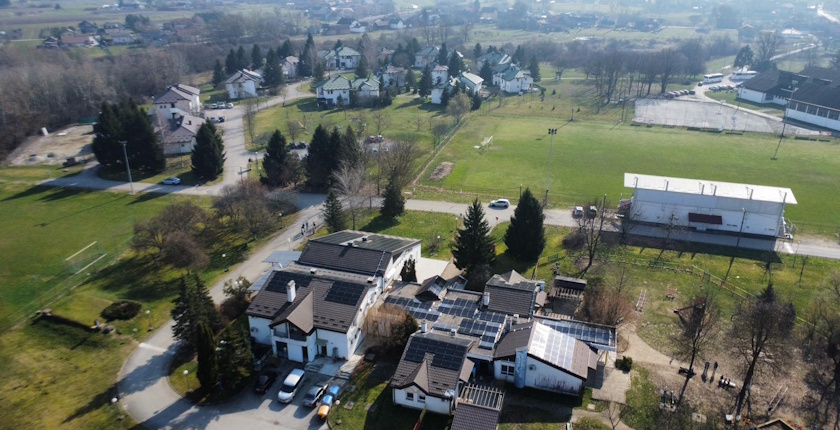
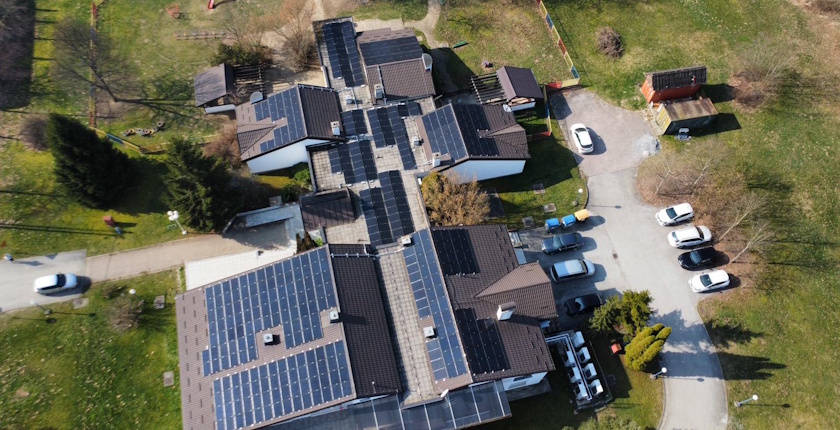
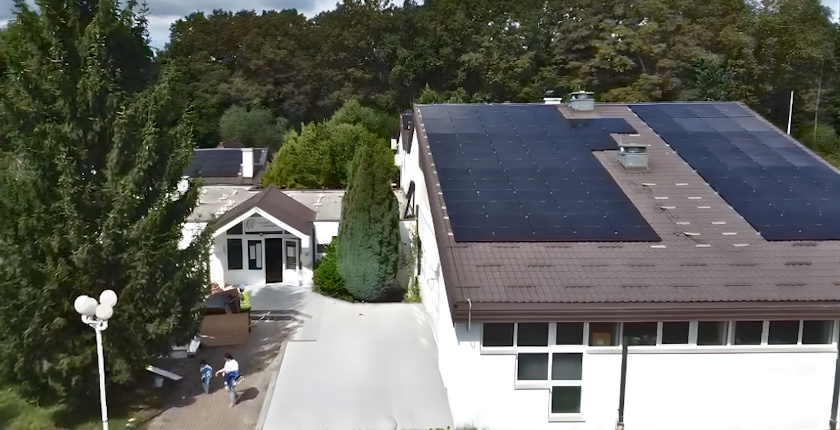
SOS Children’s Village Lekenik, located between Zagreb and Sisak, has installed a 100 kW solar power plant. It will supply energy for heating, lighting, the kitchen, and all power outlets of the community center and kindergarten.
The 100 kW photovoltaic plant, installed during the first phase of the project, has just been approved for permanent operation, according to the Green Energy Cooperative (ZEZ), which is implementing the project.
The solarization of SOS Children’s Village Lekenik is being implemented in two phases, based on a EUR 340,000 donation agreement signed in July last year between SOS Children’s Village Croatia, Raiffeisen Bank, ZEZ, Biomasa Group, and Kufner Group.
The first phase involved setting up a 100 kW PV plant on the roof of the community center. In the second phase, later this year, an additional 250 kW solar power plant will be installed on the roofs of all 15 family houses where SOS mothers and children live.
ZEZ: This is the first such project in this part of Europe
Upon completion of the project, SOS Children’s Village Lekenik will become children’s first solar village in Croatia and the first project of its kind in this part of Europe, ZEZ underscored.
SOS Children’s Village Lekenik was spending more than EUR 80,000 annually on energy bills. Therefore, the project is a key step toward energy independence and long-term financial sustainability.
With the completion of the second phase, expected savings over the plant’s minimum 25-year lifespan are estimated at EUR 1.17 million, according to ZEZ’s assesment.
These funds will be used for the care and improvement of the children’s quality of life through additional educational programs, summer vacations, foreign language learning, and other activities for enriching their upbringing, the group added.
A financial sustainability mechanism for non-profit organizations
“ZEZ’s motto is that energy should be in the hands of citizens and the local communities. This project clearly demonstrates that. In a time of climate crisis and energy price volatility, we are sending a message that energy should be renewable and produced locally,” ZEZ director Zoran Kordić stressed.
He pointed out that the ZEZ team demonstrated it can implement large-scale projects, from the initial idea to putting a power plant online.
It is much more than an energy or environmental project; it is also a powerful financial sustainability mechanism for non-profit organizations, according to the organization.
The solarization of SOS Children’s Village Lekenik unites social care, energy transition, and local development, and can serve as a model for other communities in Croatia and the region, ZEZ added.

Be the first one to comment on this article.