





Photo: Pixabay


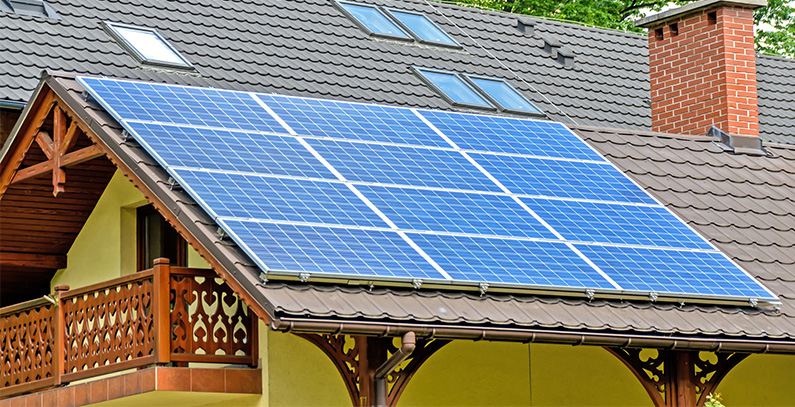
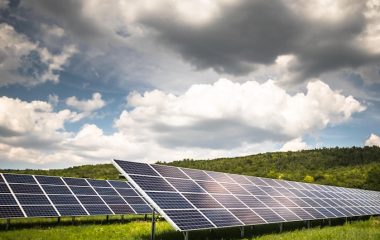
The Slovenian company GEN-I presented their new service GEN-I Sonce (Sun) which allows households and small businesses to build micro solar power plants on a “turnkey” basis.
The GEN-I Sonce service is the first of its kind in Slovenia and it should enable citizens and businesses to make an environmental, sustainable and economically viable transition to energy independence, as stated on the company’s website.
It is a comprehensive service that will simplify the way for the households and small businesses towards reaching energy autonomy by using solar energy. The savings on energy bills will be immediately visible since, by such production of electricity, bills will be reduced by up to 75%. GEN-I will meet the customers’ needs by individual counselling, the preparation of project documentation, obtaining necessary licences, monitoring and maintenance, while the equipment will be provided by the leading Slovenian manufacturers.
Customers will particularly benefit from an innovative financing model that allows investors to pay the construction of a micro solar power plant in accordance with their financial capabilities. Since the savings on energy bills will go up to 75%, these funds can be used for financing investments without spending additional money, which makes solar energy available to all who want to have a facility that meets all technical requirements.
“At a time when the effort is put to make a transition to the energy systems that are powered by renewable energy sources at a global level, it is the perfect timing for Slovenia to make green energy breakthrough and to make a decisive step towards the energy self-sufficiency of each individual. We have one of the most advanced laws in Europe in this field, world-class manufacturers of advanced technologies, as well as adequate natural conditions. Therefore, we have everything to become a nation with a high level of energy autonomy in Europe,” said Robert Golob, the head of the company GEN-I during the presentation of the new service.
This service is in accordance with the decree on self-consumption from renewable energy sources and net metering which came into force in January 2016 in Slovenia. The decree applies to households and small businesses, and it allows customers to build micro solar power plants for self-supply which will meet their needs by utilizing net metering. The net metering system allows the storage of excess energy and its use when the solar power plant does not generate enough power.
The suprlus of generated energy is stored in the grid thus providing reliable supply.
Be the first one to comment on this article.