







Photo: Freepik


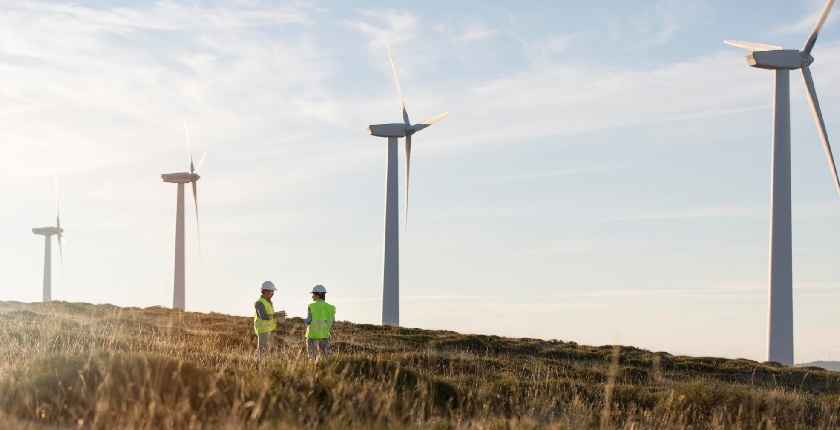
Wind energy played a crucial role in turning Greece into a net electricity exporter last year, for the first time since 2000.
The country used to import a significant part of its electricity in previous years. Back in 2019, net imports amounted to 10 TWh or 18% of total consumption, according to Minister of Environment and Energy Nikos Tsafos. The situation changed and Greece became a net exporter in 2024 with 307 GWh.
The economic benefits are important. The balance was a negative EUR 400 million in 2019, compared to EUR 122 million on the upside last year.
The change is also evident in wholesale electricity prices. Greece used to be 34% more expensive than Bulgaria six years ago. Now the price is about 2% lower.
Tsafos added that wind energy has been the secret behind the trend. Greece has different wind characteristics compared to the rest of Southeastern Europe. At times, wind farms produce large quantities while in neighboring markets their output is low.
Offshore wind to further increase exports
Indeed, Greece aims to utilize its advantage even further by developing offshore wind farms. The National Energy and Climate Plan (NECP) foresees the installation of 1.9 GW by 2030 and 6.2 GW by 2035.
So far, progress has been slow apart from a few pilot projects currently underway. Initial offshore development zones have been identified and the national plan has been updated. However, a presidential decree has yet to be signed to define the exact terms for offshore projects.
Stefatos: Benefits from balancing renewable energy through offshore wind
After the latest geopolitical and trade developments, the global offshore wind power market faces issues regarding increased costs and uncertainty. However, the head of the Hellenic Hydrocarbons and Energy Resources Management Company (HEREMA), Aristofanis Stefatos, believes the potential benefits in Greece outweigh such concerns. “We should include in our calculation the benefit of balancing renewable energy in our energy mix through offshore wind,” he said recently.
Given their large capacity factor, offshore wind parks are expected to operate more as base capacity power plants than the traditional intermittent renewable energy units. A large part could go to exports.

Be the first one to comment on this article.