


Energy Efficiency

Two thirds of EU may face sanctions for ignoring directive

Published

March 27, 2015

Country

Comments

comments icon

0

Share

Published:

March 27, 2015

Country:

Comments:

comments icon

0

Share

Nineteen EU member states have missed the deadline to translate the Energy Efficiency Directive (2012/27/EU) into national law by more than nine months, despite the rigorous enforcement of existing efficiency laws being part of the flagship Energy Union project, Publics.bg portal said.

Proceedings against Greece, Portugal and Slovenia for failure to fully implement the directive have begun in February.

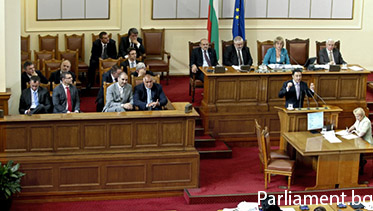
In November, Bulgaria and Hungary were asked to fully transpose the rules. Bulgaria’s parliamentary commission, perhaps pushed by eagerness to avoid scrutiny and sanctions, finally adopted the last parts of the regulation into the Energy Efficiency Act on March 26.
Related Articles

Spajic Japanese Itochu Montenegro waste energy

Spajić: Japanese company Itochu eyes Montenegro’s waste-to-energy project

09 January 2026 - Prime Minister of Montenegro Milojko Spajić said a 50 MW incinerator is about to be built for municipal waste

AI and Energy: the dynamic duo shaping the power grid

AI and Energy: the dynamic duo shaping the power grid

15 December 2025 - How artificial intelligence is reshaping power grids, enabling renewable energy integration while raising regulatory, ethical and sustainability challenges.

Applications open for the EUSEW 2026 Awards

Applications open for EUSEW2026 Awards

15 December 2025 - Applications are open for the EUSEW2026 Awards, which recognise projects, initiatives and leaders at the forefront of the EU's energy transition

European Commission presents Grids Package faster permitting, stronger interconnections and lower energy bills

EU presents European Grids Package: faster permitting, stronger interconnections, lower energy bills

11 December 2025 - The European Commission presented the Grid Package and eight energy highways, aiming to accelerate electrification, connect markets, and reduce energy costs