







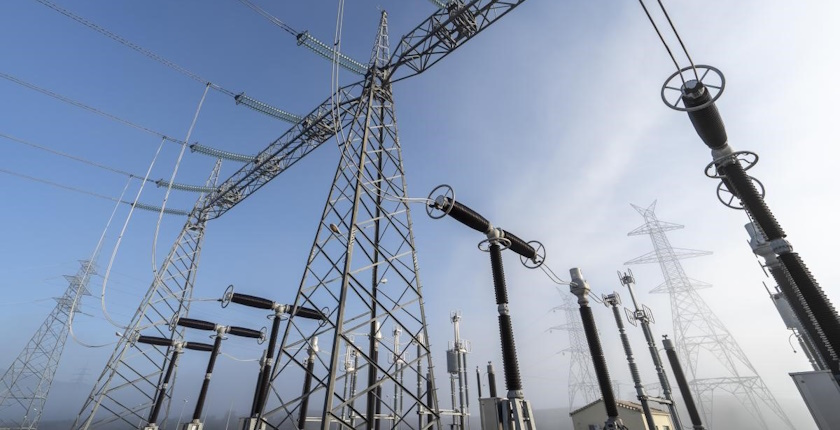
Cybersecurity is crucial for grids (photo: IPTO)


Greece’s state-controlled Independent Electricity Transmission Operator (IPTO or Admie) has joined the European Network for Cyber Security.
The European Network for Cyber Security (ENCS) has announced that IPTO has officially joined the cybersecurity network as a full member.
With this new partnership, IPTO will actively participate in shaping the ENCS’s strategy, while benefiting from the extensive cybersecurity knowledge sharing, training, and research available to ENCS members, according to the operator of the high-voltage power grid.
This membership marks a significant step forward for IPTO in reinforcing its commitment to protecting the power grid against increasingly sophisticated cyber threats, IPTO said.
Nijk: IPTO’s deep technical expertise will significantly enhance collective efforts to secure critical infrastructure
Anjos Nijk, ENCS Managing Director, said that IPTO, as the backbone of Greece’s high-voltage power grid, plays a crucial role in maintaining the stability and security of Europe’s energy infrastructure.
IPTO’s deep technical expertise and strategic insights will significantly enhance our collective efforts to secure critical infrastructure across Europe, he noted.
According to Nikos Raftopoulos, IPTO’s Director of ICT and Cybersecurity, in today’s fast-paced digital world, safeguarding the security of our power grid has become more essential than ever.
Raftopoulos: Through our membership with ENCS, we strengthen our own cybersecurity measures
“Through our membership with ENCS, we strengthen our own cybersecurity measures while actively supporting Europe’s collective efforts to secure the energy sector. We are excited to work alongside ENCS members to exchange knowledge, insights, and best practices,” Raftopoulos added.
The European Network for Cyber Security is a non-profit organization owned by grid operators. Membership offers access to the cyber security knowledge, which is shared in ENCS’ extensive network through events, documents, testing, training, and consulting.
2024 marked the adoption of the European Union’s first-ever network code on cybersecurity for the electricity sector.
The grid code will support a high, common level of cybersecurity for cross-border electricity flows in Europe, the European Commission said, adding that the act is an important step to improve the cyber resilience of critical EU energy infrastructure and services.



Be the first one to comment on this article.