






Photo: Samuel Faber from Pixabay


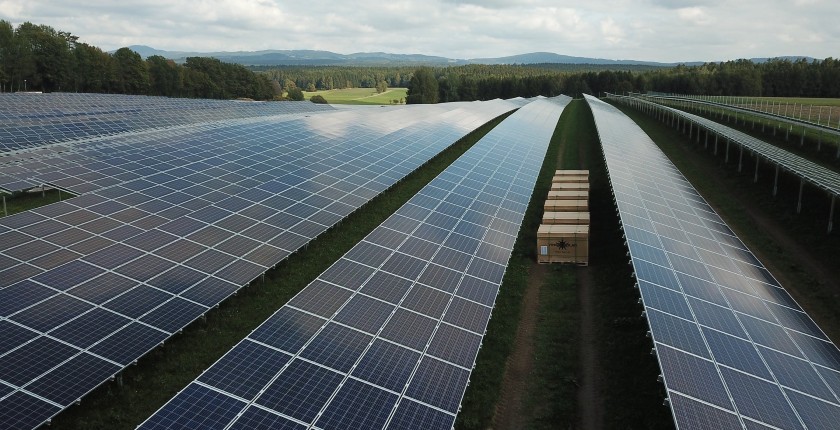
Israel-based L.O.I 360 Strategy and Business Development intends to install an agrisolar park on the territory of the city of Sremska Mitrovica in Serbia. It is planned to consist of two photovoltaic facilities with a combined capacity of 75 megawatts (MW).
Solar Park Noćaj 1 and Noćaj 2 is the second agrisolar project under development in Serbia. Agrosolar in Kula was announced in May. The new plan submitted by Israeli investors highlighted the rising interest in the renewable energy market segment in the region.
Crops compatible with the installed type of solar panels will be grown in order to increase land utilization, according to the zoning plan for Solar Park Noćaj 1 and Noćaj 2.
The zoning plan is in an early phase of public consultation until November 16.
The investor identified in the plan is L.O.I 360 Strategy and Business Development, registered in Belgrade. Its majority owner is an Israeli company with the same name.
The planned design will enable cattle grazing under the panels
The planned design will enable cattle grazing under the panels.
The zoning plan is for an area of 320.49 hectares on the right bank of the Sava river near the settlements of Noćaj and Salaš Noćajski. On the opposite bank of the river is the East industrial zone.
The area has a high number of sun hours and favorable exposure, a power line nearby for the delivery of surplus energy, and it is easily accessible, the zoning plan reads.
The plants will cool the panels, which could boost electricity production
According to the document, some types of fruit do not need direct sunlight and they have a larger yield when they grow in the shade of solar panels. The authors added that the shade makes work easier for farmers in the summer.
Another benefit is that plants growing under the panels would cool them down, which has a favorable effect on output as high temperatures lower efficiency.



Be the first one to comment on this article.