







Photo: Franz W. from Pixabay


A tribunal operating under the World Bank has ruled in favor of ten companies that initiated arbitration with the argument that Romania violated the Energy Charter Treaty by lowering incentives for their solar power plants.
Romania was supposed to compensate investors when it altered its rules on incentives for renewable energy production, according to an arbitration panel at the International Centre for Settlement of Investment Disputes – ICSID. Ten companies from Austria, the Netherlands, Germany and Cyprus launched a case in 2018 under the Energy Charter Treaty (ECT) and the ICSID Convention.
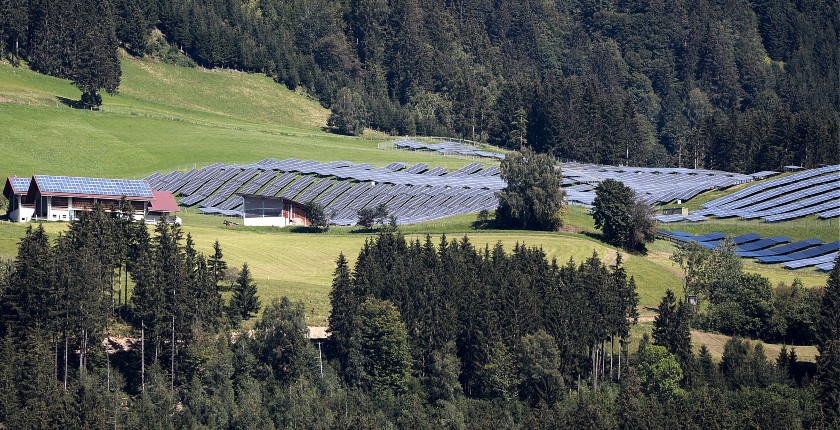
They built five solar power plants. The investors, led by LSG Group from Austria, argued that they were encouraged to invest in the country but that changes in 2013, 2014, 2017 and 2018 caused them losses in relation to their business plans.
The decision is not yet final, but the two sides were asked to negotiate on rightful compensation. ICSID was founded in 1996. It operates under the World Bank.
Changes in regulations were too drastic
Romania claimed it did not commit to never changing the legislation and said it was necessary to reduce overcompensation and limit the increase in electricity prices for consumers. The tribunal pointed out, citing the Energy Charter Treaty, that the changes were too drastic.
The Ministry of Energy said it doesn’t expect new lawsuits in relation to the ruling.
Romania introduced a green certificate scheme in 2008 for electricity from renewable sources. Investors were entitled to six green certificates per megawatt-hour that suppliers were obligated to buy, so producers would receive an extra EUR 162 per MWh to EUR 330 per MWh by trading within the mechanism.
Electricity costs were threatening to sink Romanian industry
In 2013, the government cut the number of green certificates to four per megawatt-hour and delayed the payment for the rest to between 2025 and 2030. Romania altered the rules with the argument that the price of solar power equipment dropped sharply and that the industry was suffering under the high cost of the green certificates.
Of note, French President Emmanuel Macron said last week that his country would withdraw from the Energy Charter Treaty. Spain, the Netherlands and Poland earlier made similar decisions. Investors have been launching cases against host countries as their governments canceled energy projects and introduced stricter environmental rules to comply with the Paris Agreement on climate change.




Be the first one to comment on this article.