






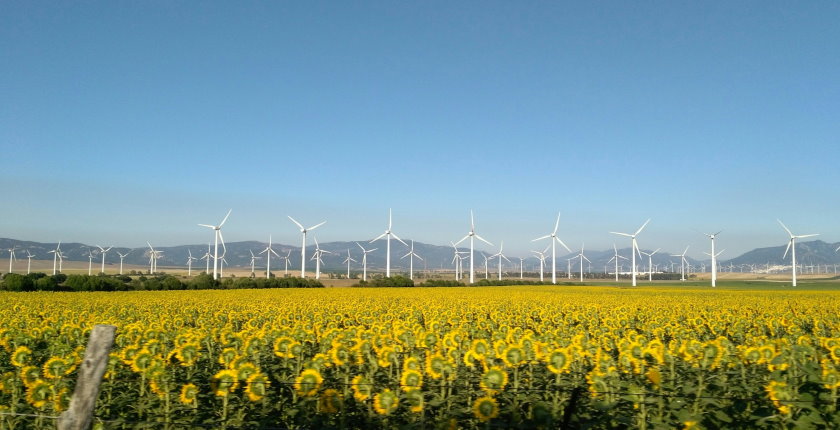
Photo: Johanna Montoya on Unsplash


A goal of 1.4 GW in renewable energy capacity was set in the yet incomplete energy strategy of Kosovo* for the period until 2031, Minister of Economy Artane Rizvanolli said. Lignite was reportedly determined as the transition source of baseload electricity.
The energy crisis and political disagreements regarding the trajectory for the sector have delayed the production of the energy strategy of Kosovo* for the period 2022-2031. The drafting process lacked even the basic elements as until recently it was uncertain whether the government would choose to lean on gas and coal.
The first version of the document was supposed to be presented in January for public consultation. Kosovo.Energy reported that it is currently expected to be published in June.
Three-year action plan is only segment that is missing
The only segment that hasn’t been completed yet is the three-year action plan, unnamed representatives of the Ministry of Economy told the news outlet. They added that the strategy is focused on investments in renewable energy and the reconstruction of the existing coal capacities. Minister Artane Rizvanolli said at the EBRD Annual Meeting that a target of 1.4 GW in renewables would be set with the document.
The war in Ukraine turned several European countries back to coal capacities
Lignite was determined as a transitional fuel and the source for baseline power instead of gas, the article reveals. Conversely, the European Union decided earlier in the year to endorse gas and nuclear power as necessary for the energy transition and kept frowning at coal.
On the other hand, Russia’s attack on Ukraine prompted another massive switch in policy, so numerous countries have been bringing reserve coal plants back online and declared they would increase production, at least in the near term.
Strategy includes transitioning from lignite to renewables
The strategy’s main sections are dedicated to decarbonization, the security of electricity supply, affordability of energy prices, regional integration and the transition from lignite to renewable energy sources.
Rizvanolli earlier said the targeted 2031 share of renewables in electricity consumption would be between 25% and 30% and that the government would aim to reach 50% by mid-century. There are no plans for the construction of any other coal-fired power plant.
Kosovo* is also still working on its national energy and climate plan for the period through 2030.

Be the first one to comment on this article.