







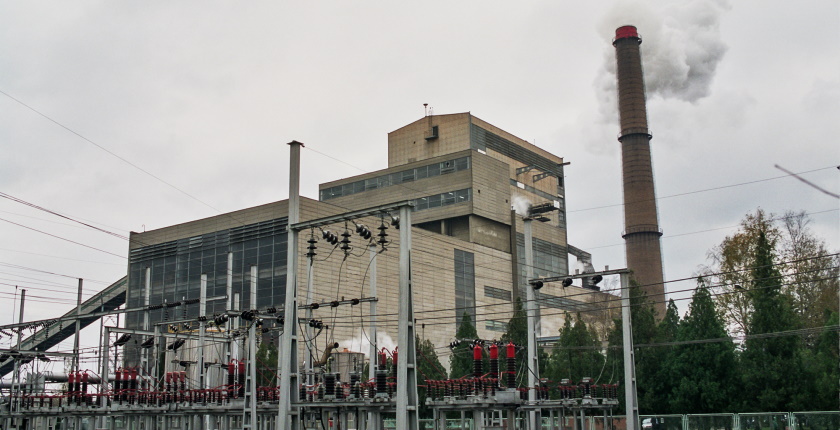
TPP Morava (photo: EPS)


State-owned power utility Elektroprivreda Srbije (EPS) intends to convert its Morava thermal power plant from coal to natural gas.
Coal power plant Morava will be shut down by the end of 2023 as it operates under the opt-out mechanism, like several other facilities in the region. The mechanism is one of the implementation alternatives under the EU’s Large Combustion Plants Directive (LCPD).
It provides the possibility for an exemption of individual plants from national compliance regimes. In exchange, the plants cannot be operated for more than 20,000 operational hours between January 1, 2018, and December 31, 2023.
EPS has announced a tender for the preparation of studies for the construction of the Morava gas power plant
Aside from TPP Morava, TPPs Kolubara A in Serbia, Pljevlja in Montenegro, and Kakanj and Tuzla in BiH are also in the opt-out mechanism.
EPS has now launched a tender to prepare a preliminary feasibility study and for general and conceptual designs for the Morava gas power plant.
In line with the obligations set out in the Energy Community Treaty and in line with the National Emissions Reduction Plan (NERP), TPP Morava and TPP Kolubara A will terminate production after 2023, EPS said.
TPP Morava and TPP Kolubara A will be shut down by the end of 2023
After TPP Morava stops production by the end of 2023, its location will be infrastructurally equipped for the construction of a combined cycle power plant.
The studies also need to consider the plan to install a photovoltaic power plant at the location of TPP Morava, the tender documentation reads.
Of note, EPS announced a tender in May for a study on the construction of solar power plants on the ash dumps of TPP Morava and TPP Kolubara A.
EPS: Gas power plants are the best alternative for gradual decarbonization
The previous analyses of the possibilities of gradual power sector decarbonization and the parallel development of renewable energy sources indicate that gas-fired power plants are the most realistic alternative, as a transitional solution, to electricity production from coal-fired power plants EPS said.
According to the company, gas power plants, similar to coal power plants, provide baseload electricity, positively affecting system stability and further developing renewable energy sources while emitting about three times less CO2.



Be the first one to comment on this article.