





CATL


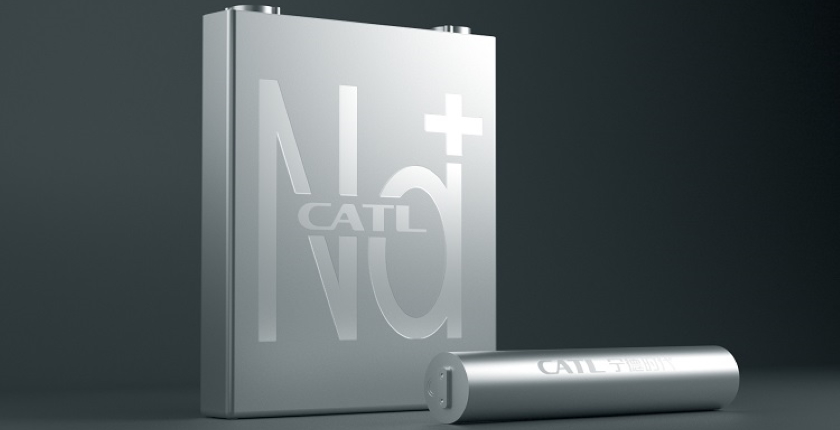
Chinese giant CATL’s first generation of sodium ion batteries are entering the market in 2023. If the company makes up for the lag in energy density, the new technology may become more competitive than lithium-based solutions.
Lithium ion batteries are dominating the global energy storage market including electric vehicles. However, the sector’s rapid expansion is fueling price growth and drastic shortages are possible as soon as next year. Also, quality lithium ore is scarce and producers across the world are under fire for extensive water consumption in the process and other environmental impacts. Sodium ion batteries are the main pretender to the throne.
Contemporary Amperex Technology Co. Ltd. (CATL), which rapidly ascended to the third position in the market capitalization list of Chinese companies, excluding Hong Kong, presented a solution that it claims is already more competitive in the field of integration efficiency, performance in low air temperatures and charging speed.
Transitory solution is to combine sodium ion batteries with lithium ion units
The company worth more than USD 200 billion, according to the current yuan exchange rate, leans on lithium iron phosphate (LFP) and supplies Tesla, BMW, Volkswagen, Daimler, NIO and Geely. Its research division has nevertheless developed sodium ion batteries for electric vehicles. They still have lower so-called energy density.
CATL’s scientists achieved 160 Wh per kilogram, and Founder and Chairman Robin Zeng set a 200 Wh goal to match its LFP batteries. On the other hand, the NMC-811 standard with a nickel, manganese and cobalt cathode reached the 300 zone.
The sodium ion technology has better integration efficiency, performance at low temperatures and charging speed
Experts noted that sodium ion batteries can be charged only 1,500 times compared to between two and four times more in the case of lithium variants.
The company offered a transitory solution – a system that combines lithium and sodium batteries, and called on suppliers and customers to build a supply chain for its new product for electric vehicles.
Sodium is incomparably cheaper
Sodium is found in abundance, so the price of the commodity should be incomparably lower. The element can be obtained by electrolyzing table salt. Lithium mostly comes from Chile and Australia. China is forced to import the alkali metal as it is too expensive to process the domestic low-grade ore. Sodium’s special advantage is that it is safer than unstable lithium.
CATL’s market cap grew more than two and a half times in the past year to over USD 200 billion
At minus 20 degrees Celsius, sodium ion batteries have a capacity retention rate of more than 90%. They can be charged to 80% in just 15 minutes in room temperature, the company’s officials said. The cathode in CATL’s new batteries is based on sodium and iron while it made the anode from a hard carbon material.
The share of the giant battery producer from China surged in value by more than two and a half times in the past year, far outpacing competitors like Panasonic and LG Chem, but also the car industry. Nine of its investors are billionaires in dollar terms.
The expansion of green energy brings higher demand for batteries as wind farms, solar parks and hydroelectric plants depend on weather conditions and they can’t control production like nuclear and thermal power plants.




Be the first one to comment on this article.