






Photo: Pixabay


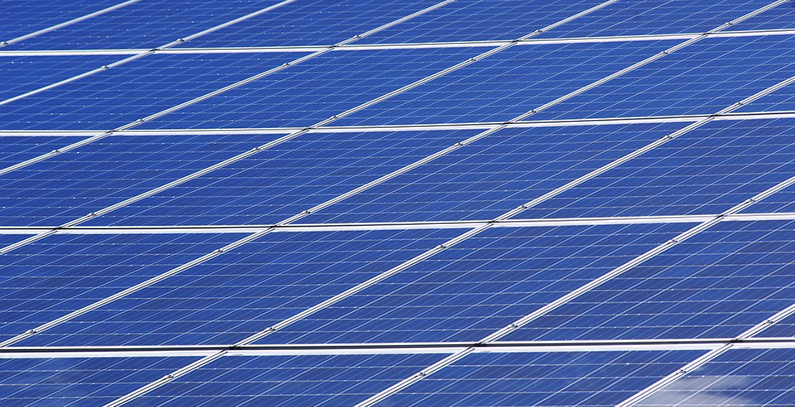
Croatian state power company Hrvatska Elektroprivreda (HEP) plans to build two solar power plants – the 60 MW Obrovac Sinjski and the 35 MW Konačnik in the Splitsko-Podravska County, according to applications submitted to the Ministry of Environmental Protection and Energy.
The two power plants are part of HEP’s investment cycle to soak around EUR 100 million by 2023 in solar power facilities. The company intends to install solar power plants with a combined capacity of 350 MW by 2030.
HEP currently operates 13 rooftop solar power plants installed on its business buildings, with a total capacity of 270 kW, and the 1 MW utility-scale solar power plant Kaštelir.
HEP intends to increase the total capacity of its solar power plants by 20 MW per year in the period 2019-2023, and by 40 MW per year from 2024 to 2030.
The 60 MW Obrovac Sinjski solar power plant will be located in the Obrovac Sinjski settlement, in the area of the City of Sinj.
The plant will cover 132 hectares, and the expected production of electricity is 87 GWh per year, reads the application for the evaluation of the need for environmental impact assessment submitted to the Ministry of Environmental Protection and Energy.
The 35 MW Konačnik solar power plant will span 72 hectares at the location of the Ugljane settlement, in the area of the City of Trilj. The expected production of electricity is 50 GWh per year.
After the Ministry receives the application for the evaluation of the need for environmental impact assessment, it must obtain opinions of other institutions and local municipalities, and inform the public, before it adopts a decision, according to the ministry’s website.
HEP wants to increase the renewables share in its energy generation from 35% to 50% by 2030
HEP has previously announced that it plans to increase the capacity for solar power plants by 20 MW per year in the period 2019-2023, and by 40 MW in the period 2024-2030. The first four solar power plants that will be installed by HEP are Kaštelir, Cres, Vis, and Vrlika Jug, with a combined capacity of 11.6 MW.
HEP intends to increase the renewable share in its portfolio from 35% to 50% by 2030. The company will invest in solar power plants, but also in the revitalization of the existing hydropower plants, construction of new hydropower plants, as well as in wind farms.

Be the first one to comment on this article.