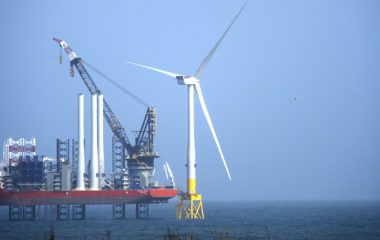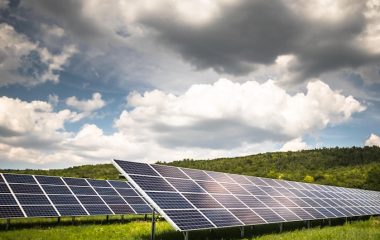







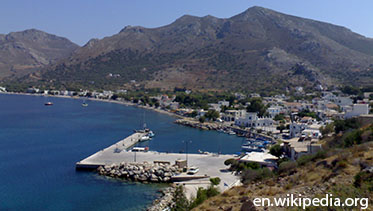


The small Dodecanese island of Tilos combines power generation from renewable energy sources with storage in developing an autonomous smart grid, WWF Greece said. The multinational European demonstration and research project has 15 participating enterprises and institutes from 7 European countries.
It aims to demonstrate the potential of local-scale energy storage to serve a multi-purpose role within an island micro grid in communication with a main electricity network.
On July 7–9, Tilos hosted the second meeting of representatives of the 15 partners and they discussed the progress and timetable for upcoming works. The project aims to demonstrate the large-scale penetration of renewables through integration of a power station, advanced battery storage, distributed, domestic heat storage, and equipment for demand-side management.
The isle of 780 residents has been hitting the news in relation to the influx of refugees migrating from neighbouring Turkey by sea. It is one of the Natura 2000 Birds Directive Sites. The place covers its electricity needs through an underwater interconnection to the island of Kos, where a diesel-oil power station is operated. Due to underwater cable faults, Tilos suffers from frequent and long-lasting blackouts.
The system will rely on a medium-sized photo-voltaic park, due to become operable in October, and a small-scale windmill to generate power, in tandem with prototype storage based on Fiamm’s NaNiCl2 batteries. The complete hybrid micro-grid system should come online in the next two years.
Apart from Tilos, the project engages the islands of Pellworm, La Graciosa and Corsica for transfer of technological experience. The endeavour has been included in Horizon 2020, the largest EU innovation funding program, and is headed by a research team from the Laboratory of Renewable Energy and Environmental Protection from the University of Piraeus.