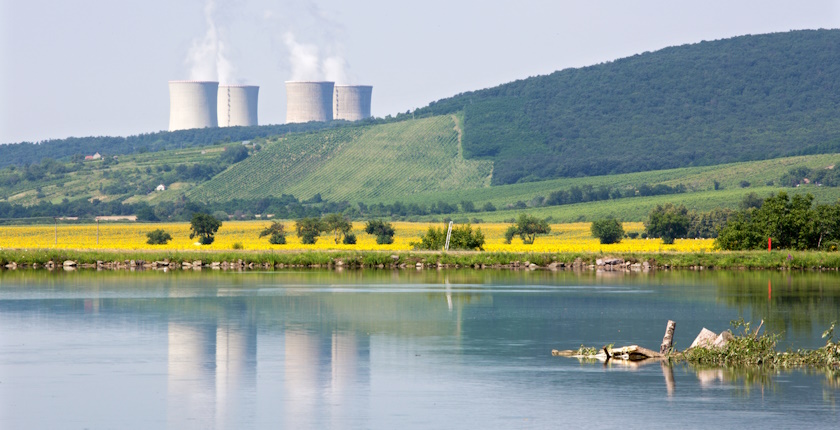




The RiTE Ugljevik mine and coal power plant has said it switched on its desulfurization system. The facility for the protection from the consequences of burning coal will have a three-month test drive. It was funded by a loan from the Japan International Cooperation Agency, better known as JICA, agreed in 2010.
The purifier of the combustion exhaust gas is worth EUR 80 million. The representatives of the firm registered as Rudnik i termoelektrana Ugljevik AD, which generates a third of electrical energy in the Republic of Srpska said they are pleased about the progress in facing the introduction of stricter rules and laws and the obligations the state has.
Project manager Zlatko Malović said at the launch that the thermal power plant is on the way to reach European Union environmental standards and stabilize production. The flue gas desulfurization is “the biggest ecological project in energy facilities in Southeastern Europe,” in his view.
State-owned utility ERS, formally Mješoviti holding Elektroprivreda Republike Srpske matično preduzeće AD, runs the endeavor. RiTE Ugljevik is its subsidiary. The main contractor is Mitsubishi Hitachi Power Systems Ltd. of Japan.
“We are showing we can be a serious company, which fulfills its international responsibilities like the contract with the Energy Community,” Malović said and also cited the National Emission Reduction Plan – NERP. Srpska is the smaller of the two autonomous entities that make up Bosnia and Herzegovina.
Ugljevik has coal with a high share of sulfur, between 3.5% and 5%, and air pollution was so far much above allowed levels. In the words of the project manager, sulfur oxide emissions were slashed to 200 milligrams from 16,000 per cubic meter or 80 times. The system now complies with the strictest European regulations, he added.
Manager of the Ugljevik complex Čedomir Stojanović promised investments in the treatment of ash and slag and said gypsum would be manufactured in the process. “We all here are considering, due to the coal deposits in this area, the construction of a new bloc” of the thermal power plant, he stated.
The desulfurization unit was already built in 2016. Yokogawa Electric Corp. supplied the integrated production control system for the monitoring and control of purification. The management said it started paying back the loan.