


Turkey exceeded 20 GW in PV capacity, reaching 20.4 GW, while wind power grew above 13 GW. The government plans to hit a total of 120 GW by 2035 from photovoltaics and wind.
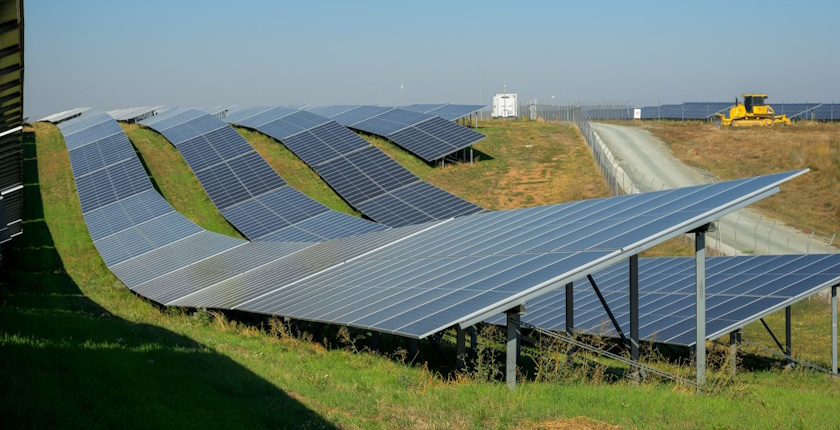
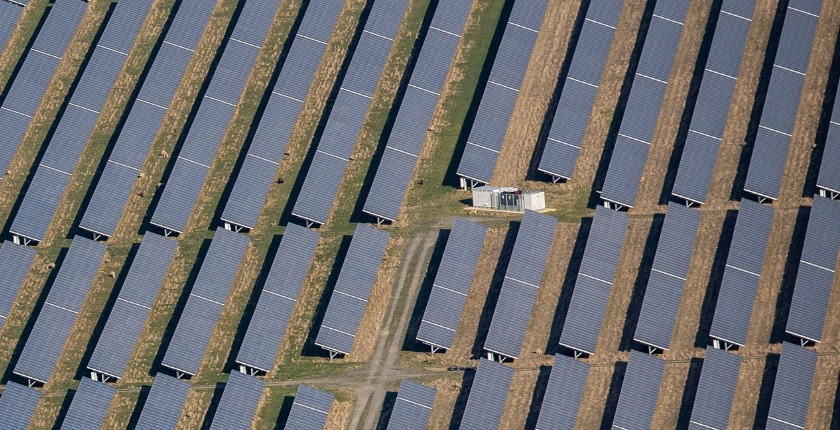
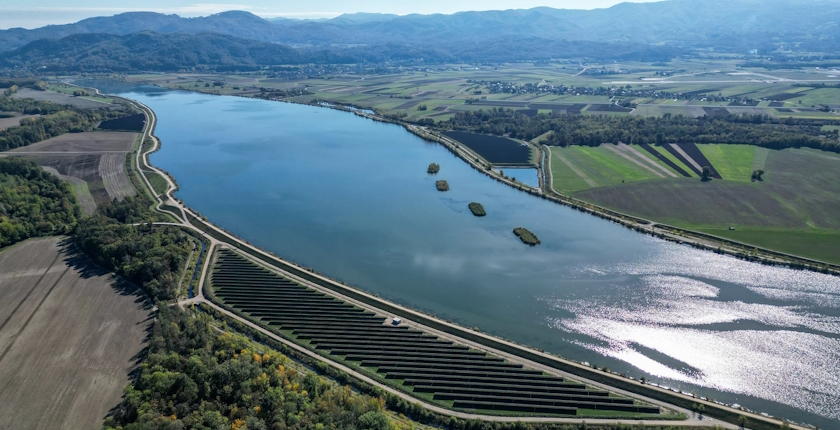
After surpassing the 2025 target of 19 GW already last August, PV capacity growth maintained a rapid pace in Turkey. As of February 16, solar power amounted to 20.4 GW or 39.3% more than one year before, state-owned Anadolu Agency reported.
The share of PV facilities in total electricity capacity, of 116.6 GW, is 17.5%, according to the Ministry of Energy and Natural Resources, the article reads, compared to 13.8% on February 16, 2024.
Solar power costs are 50% lower than electricity from coal, gas
The cost of generating electricity from solar energy is 50% lower than from coal and natural gas, the media outlet added. The government is encouraging the installation of battery energy storage systems (BESS) within solar power projects and other renewables, as well as adding batteries to existing plants. Two weeks ago, five projects were awarded at an auction round, for an overall 800 MW in PV capacity.
There are three applications for pilot projects for agrivoltaic plants. The concept is also known as agri-PV or agrisolar.
A total of 75 solar panel manufacturers operate in Turkey. Put together, their annual capacity is 44.5 GW. Three of them make solar cells and their overall capacity is 6.1 GW per year, the news agency wrote.
The government recently declared a 2035 target for solar and wind of 120 GW in total.
More than 4,360 wind turbines are operating in Turkey
On February 13, there were some 280 wind farms in Turkey in seven regions. With more than 4,360 turbines, they had 13.04 GW in total capacity, shows the data from the ministry and the Turkish Wind Energy Association (TWEA or TÜREB), quoted in a separate report.
The share of wind power has reached 14%.
The country hosts seven production facilities for towers, four plants make blades and another four factories manufacture generators and gearboxes. In addition, they have hundreds of suppliers.
Combined, the wind equipment manufacturing market is worth USD 2.2 billion per year. The update reveals that with upcoming investments the potential amounts to USD 10 billion.
Late last month, before the solar power auction, the Ministry of Energy and Natural Resources completed one for 1.2 GW of wind power. The state aid and bidding mechanism is called Renewable Energy Zones (REZ), better known by its Turkish acronym YEKA.
The International Energy Agency forecasted that total renewables production would reach a 50% share of Turkey’s electricity mix by 2027.