

News

Špilje generates over 267 million KWh in 10 months

Published

November 8, 2015

Comments

comments icon

0

Share

Published:

November 8, 2015

Comments:

comments icon

0

Share

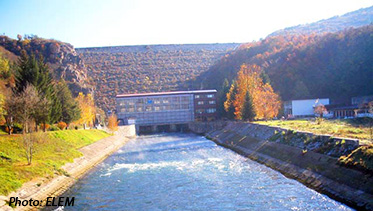
The largest hydro accumulation power plant in the river basin of Crn Drim generated more electricity than was envisaged in the annual plan, Macedonian agency Independent.mk reported.

More than 267 million KWh of electricity was produced in the first ten months of this year, which means the annual plan has been met with about 90%, the article said. It is clear that the annual plan of production will not only be met, but exceeded.

Favorable hydrology of the Debar river basin also influenced production. This includes rivers Radika and Drim, Macedonian Power Plants company (ELEM) said in a press release. At the time of the report, the average water flow was around 40 cubic metres per second, and the accumulation of the Debar Lake had a reserve of water to produce 18 million KWh. This means there was enough space to accept the upcoming autumn time inflows, the article said.

 

Related Articles

nova bess romania battery

Romania’s biggest battery system put into operation

13 December 2025 - Nova Power & Gas has commissioned a battery energy storage system with an operating power of 200 MW and a capacity of 400 MWh

corbii mari nofar solar romania

Nofar Energy launches work on Romania’s largest solar park

13 December 2025 - Israel's Nofar Energy has begun construction of the 282 MW Corbii Mari solar park in Romania, with plans to connect it to the grid in 2026

north macedonia power line dalekovod kodar elnos mepso croatia serbia bih

Firms from Croatia, BiH, Serbia to build power line in North Macedonia

12 December 2025 - The contracted works include the construction of a 400 kV power line from the 400/110 kV Bitola 2 substation to the border with Albania 

slovenia climate vulnerability risks energy assessment

Slovenia draws up first climate vulnerability, risks assessment for energy sector

12 December 2025 - The assessment was prepared by the Ministry of the Environment, Climate and Energy, in cooperation with the Jožef Stefan Institute