


The Municipality of Šoštanj said it doesn’t agree with TEŠ’s intention to add SRF-type waste to the coal that it burns in the local thermal power plant. Two other local authorities in the area in Slovenia’s north are about to vote on the project, which raised concern about air pollution. The government-controlled company said it would respect their stance.
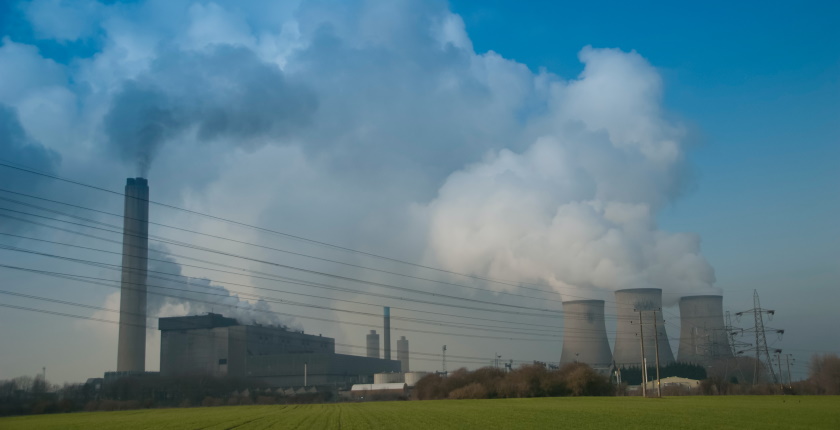
The Municipal Council of Šoštanj opposed the waste coincineration project put forward by coal-fired thermal power plant operator Termoelektrarna Šoštanj (TEŠ). The company, controlled by state-owned Holding Slovenske elektrarne (HSE), said it wouldn’t insist on the plan if the other two local assemblies in the area reject it.
Faced with expenses for carbon emissions and with regard to the limited capacity of the Velenje Coal Mine, the utility earlier proposed to add solid recovered fuel (SRF) to coal in the system’s 600 MW unit 6, commissioned six years ago. It is still waiting for environmental clearance from the Slovenian Environment Agency – ARSO.
Local authorities in Šaleška region may determine project’s fate
The project is estimated to be worth EUR 6 million to EUR 10 million. The local councillors expressed concern for emissions resulting from the simultaneous use of coal and waste as fuels. The neighboring municipalities of Velenje and Šmartno ob Paki are about to organize a vote and determine their stance. The discussion in Šoštanj, located in the Šaleška valley in Slovenia’s north, took several hours before the vote.
According to the review of the environmental impact assessment study, Slovenia may need to import SRF waste if the coincineration endeavor goes through
HSE’s Chief Executive Officer Viktor Vrečar cited 22 waste coincineration projects in Germany and added the plan was developed according to best practices. TEŠ said SRF would make up a maximum of 6% of the fuel’s total weight or 160,000 tons per year.
The Šoštanj municipality’s review of the environmental impact assessment study revealed the pollution with heavy metals and other substances would be excessive and that air and soil quality would deteriorate, offering an opposing perspective than the original document. The Institute for Environment and Spatial Planning (IPO) from Celje, which conducted the review, said there was not enough SRF-type waste in the country for the coincineration project and that it would have to be bought from abroad.
Šoštanj must close by 2033
Environmentalist organizations Focus, Greenpeace and Umanotera said that, according to the report on the upcoming coal phaseout strategy that was released by the Ministry of Infrastructure, Slovenia can only align with the European Union’s climate goals if TEŠ stops using coal by 2033 at the latest. The 1.03 GW system includes two gas-fueled turbines of 42 MW each.
The country should adopt the document by the end of the year and include the principles of fair transition for the restructuring of coal-dependent regions, particularly the Šaleška region, where the Šoštanj thermal power plant is located. The draft strategy analyzes three scenarios for the end of coal use in the facility: by 2033, 2038 and 2042.
The management of TEŠ said it believes it can find common ground in cooperation with local authorities to pursue Šaleška’s gradual transition to a low-carbon society.