


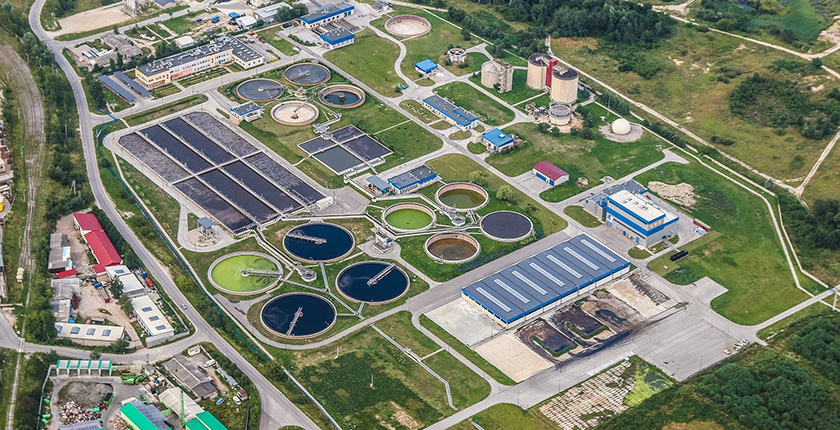
The local authorities in the Vojvodina town of Sombor are planning to build an electricity production plant using biogas from a wastewater processing plant. The equipment will be bought by mid-2018 and production is due to start in the autumn.
The power plant, as newspaper Dnevnik reported, will be built as part of the Interreg IPA program of cross-border cooperation between Serbia and Croatia.
The Croatia-Serbia 2014-2020 cross-border project titled Exploitation of Different Energy sources for Green Energy production – X DEGREE, announced last year in July, includes the JKP Vodokanal communal services company in Sombor, the Novi Sad University, the European Affairs Fund of Vojvodina on the Serbian side and the Vinkovački vodovod i kanalizacija d.o.o. communal services company in Vinkovci and the Agriculture Institute in Osijek.
The goal of the project is the construction of a cogeneration (CHP) facility producing 200 kWh of electricity and 230 kWh of heating energy along with an increase in the production of biogas from 1,700 cubic meters a day to 3,000 cubic meters and the equipping of a mobile laboratory to analyze possible raw materials, optimize production and analyze the quality of biogas at Novi Sad University.
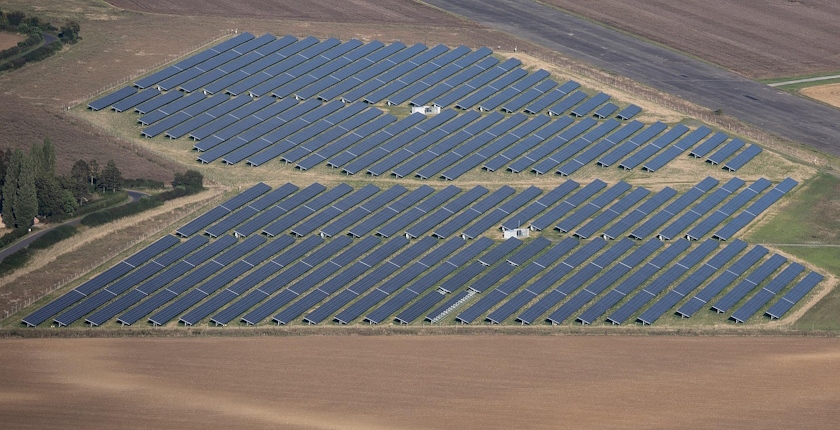
The Croatian side will get solar power plants of a total power of 380 kWh in the town of Vinkovci and a laboratory equipped to analyze biomass quality at the Agriculture Institute in Osijek.
Sombor has had an operating wastewater processing plant since 1985 but the biogas it produced was used only partly. That wastewater plant produces methane gas as a byproduct some of which was used for heating while the rest was burned off. Initial estimates are the 30% to 40% of the electricity needs of the Vodokanal company will be met through the use of biogas.
Budget of EUR 1.7 million
JKP Vodokanal CEO Jasmina Bobić said the management of that communal services company has been planning for a long time to use biogas to produce electricity. We will get electricity from the biogas produced in the wastewater processing plant and we will see significant savings while helping clean the environment, she said.
The X DEGREE project has a total budget of EUR 1.7 million, EUR 498,000 of which is intended for the Vodokanal project.
Project manager Strahinja Šljukić said that Vodokanal would be buying a gas generator and other equipment to make better use of biogas and fill a digestor with new biomass. He said that will be a unique facility in Serbia because it will use different types of biomass for fuel.