


News

Serbia has 970 buildings with energy passport

Published

February 22, 2016

Comments

comments icon

0

Share

Published:

February 22, 2016

Comments:

comments icon

0

Share

Central Register of Energy Passports (CREP), created according to best European practice, is the first step of certification of buildings and a significant segment of energy efficiency improvement, according to participants of a thematic event in the Serbian Chamber of Commerce and Industry. There are 970 buildings with an energy passport in the country, while less than 200 are listed in CREP. Although it is still not a legal obligation, the aim is to make the register mandatory in order to enable Serbia to build a clear database of the residential sector, estimates on energy expenditure and the possibilities for savings, participants at this month’s second workshop stated.

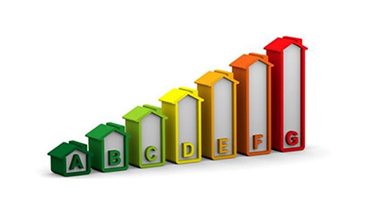
Jasminka Pavlović, head of the energy efficiency and construction department in the Ministry of Construction, Transport and Infrastructure, said CREP is the basis for decision making about energy refurbishment of existing buildings. They are rated between A+, as the most efficient category, and G.

Related Articles

Serbia’s Đedović Handanović in Azerbaijan for discussions on gas projects

08 April 2026 - Serbian Minister Dubravka Đedović Handanović met in Baku with Azerbaijani ministers and the head of SOCAR

croatia rimac technology new bmw i7 sedan battery

BMW, Rimac to unveil fully electric i7 on April 22

08 April 2026 - The new BMW i7 will be the first BMW Group BEV to feature a jointly developed battery system, manufactured at the Rimac Campus near Zagreb

china solar wind vision iran war

Xi: Pioneering wind, solar energy was visionary move

08 April 2026 - Xi Jinping stressed the importance of developing hydropower and environmental protection, as well as of a safe expansion of nuclear energy

tab battery sodium-ion bess

Slovenian TAB plans to develop its own sodium-ion batteries

08 April 2026 - Slovenian battery manufacturer TAB recently obtained approval for a trial production of sodium-ion cells