


Regulatory changes slash revenue potential, and Monsson Group will take down its completed wind farm rather than connect to the grid and lose money for 25 years.
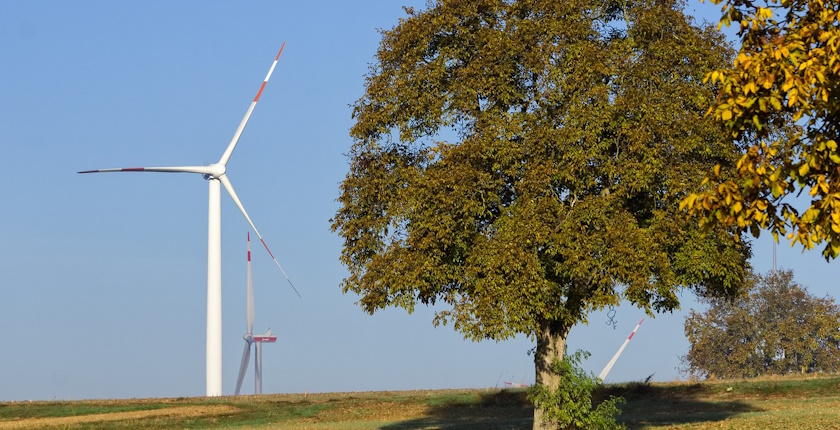
Renewable energy firm Monsson Group is preparing to dismantle turbines at Târgușor in Constanța county, Wind Power monthly published on its website. Nine Vestas V90 turbines of 3 MW each should be removed by end September, expects Monsson business development manager Sebastian Enache. The company does not yet have plans for using or selling the turbines, so they will initially be put into storage.
Project investments amounted to about EUR 1.6 million per MW for a total of over EUR 40 million, but the project was never commissioned as the Romanian regulatory backdrop went from bad to worse and expected income for wind projects slumped, the report said. During different construction stages, the legislation changed three times, says Enache. He notes that expected income from the project – sum of revenues from the sale of power and green certificates – would now stand at about EUR 45 to EUR 55 per MWh compared to EUR 120 to EUR 140 per MWh in 2012.
Construction was completed at end-2013 but the final, minor permit needed to operate was only received in mid-2014 as project approval slowed amid increasing regulatory uncertainty. To comply with Romania’s grid code, Monsson reached a point where it had to turn on the turbines or take them down. „The important thing now is that we’re not commissioning the project,“ said Enache. „It’s one thing to lose money you’ve already lost but another to know you’re about to start losing money for the next 25 years.“
Monsson operates approximately 100 MW of additional wind capacity in Romania. It is also turning to places like Turkey and South Africa, entering both countries through its operations and maintenance business.
Romania’s wind energy capacity jumped from 14 MW in 2009 to 2.95 GW at end-2014, although growth began slowing in 2013. Only about 50 MW is expected to come online this year. Monsson developed 2.5 GW in Romanian wind projects and sold about half of these, including the 600 MW Fântânele-Cogealac wind farm operated by Czech utility ČEZ. The other half, at a ready-to-build stage, is now on hold.
A major problem is that wind producers are not guaranteed to find a buyer for their green certificates, the article said. A green energy sourcing requirement for energy suppliers, which can be satisfied with the purchase of the certificates, has been set too low and has resulted in a chronic oversupply. There is no buyer of last resort.
Monsson could decide to redirect capital towards other markets, the company had said in August.