

Renewables

Krk island to become energy independent and carbon free

Published

March 18, 2015

Country

Comments

comments icon

0

Share

Published:

March 18, 2015

Country:

Comments:

comments icon

0

Share

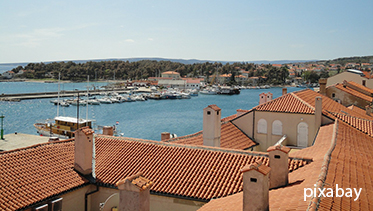
The northern Adriatic island of Krk is set to become Croatia’s first energy independent area free of carbon-dioxide emissions, and by 2030 the island will be completely powered by renewable energy sources, Dalje.com portal said.

“We are pioneers in this endeavour in the whole of Croatia,” the CEO of the Ponikve EkoOtok company, Zdenko Kirinčić, told Hina.

As many as 260 buildings on the island have been renovated in order to improve their energy efficiency. In addition, local inhabitants are permanently educated about energy-saving measures. Since 2011, the local authorities have spent over HRK 3 million (EUR  390,000) on documentation concerning the use of renewable energy.

The entire island is mapped for installation of photovoltaic plants and windmills. The construction of a 36 MW windmill is due to begin by 2018. In the same vein, the island is encouraging the use of electrical vehicles instead of conventional cars.

Related Articles

eps tent solar power plant study

EPS plans to build solar power plant on TENT A ash dump

30 December 2025 - EPS has invited bids for a preliminary feasibility study for a solar power plant on the ash disposal site of TENT A coal power plant

EU4CAET project pre-selects 43 ideas for first renewable energy communities in BiH

30 December 2025 - The EU for Collective Action for Energy Transition (EU4CAET) project is jointly financed by the European Union and Germany

albania fortis solar power plant erseke bess

Fortis kicks off construction of solar power plant in Albania

30 December 2025 - Turkey-based Fortis Energy has started the construction of solar power plant Ersekë with a capacity of 75 MW

Apollo self-consumption program rebooted in Greece

Greece reboots Apollo program against energy poverty

30 December 2025 - The Greek government has redesigned and rebooted the Apollo self-consumption program, aimed at reducing energy costs for vulnerable consumers