



Power utility Hrvatska Elektroprivreda (HEP) will invest almost HRK 230 million (EUR 31 million) into smart grids, in what will include introducing a HRK 177 million (EUR 24 million) smart grids pilot system into five out of the total of 21 HEP Distribution system operator (DSo) distribution areas – Zagreb, Split, Osijek, Zadar, and Dubrovnik, in the period between 2018 and 2022.
The smart grids pilot system will be backed by a HRK 149.95 million (EUR 20.3 million) grant from the European Regional Development Fund and HEP ODS’ funds in the amount of HRK 26.86 million (EUR 3.7 million). Along with that, HEP ODS will invest additional HRK 52 million (EUR 7 million) in the introduction of smart grids.
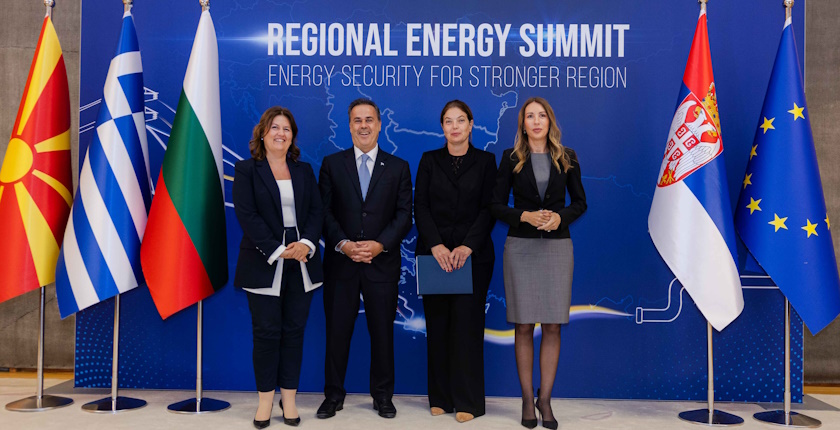
The grant agreement has been signed in Zagreb by Minister of Environmental Protection and Energy Tomislav Ćorić, Environmental Protection and Energy Efficiency Fund Director Dubravko Ponoš, HEP ODS Director Nikola Šulentić, HEP said on its website.
The grant was secured through the European Fund for Regional Development, as part of the Competitiveness and Cohesion Operational Program 2014-2022 (OPCC). This is the largest grant that HEP has obtained from EU funds so far.
The smart grids pilot project refers to the computerization of a part of electricity distribution network in Croatia, HEP said. Advanced measuring infrastructure will be established and it will enable a more precise loss calculation, as well as locating areas with increased losses in the distribution network, monitoring electricity consumption, and active consumption management by end customers.
For that purpose, 6,125 substations will have metering devices installed, while end customers’ 24,000 existing meters will be replaced with smart meters, HEP said, adding that the existing 449 transformers will be replaced with new, more energy-efficient transformers, which will contribute to the reduction of technical losses.
Adapting to changes brought by EU’s Clean Energy for All Europeans
The medium-voltage network will be automated, thus increasing the reliability of supply by reducing the duration of unplanned outages and creating technical preconditions for a wider integration of renewable resources into the electricity distribution network.
“The pilot project of introducing smart grids is significant for adapting electricity distribution in Croatia to changes resulting from the EU package of measures under the Clean Energy for All Europeans,” President of HEP’s Management Board Frane Barbarić said, adding that the existing 2.4 million meters are going to be replaced by smart meters.