


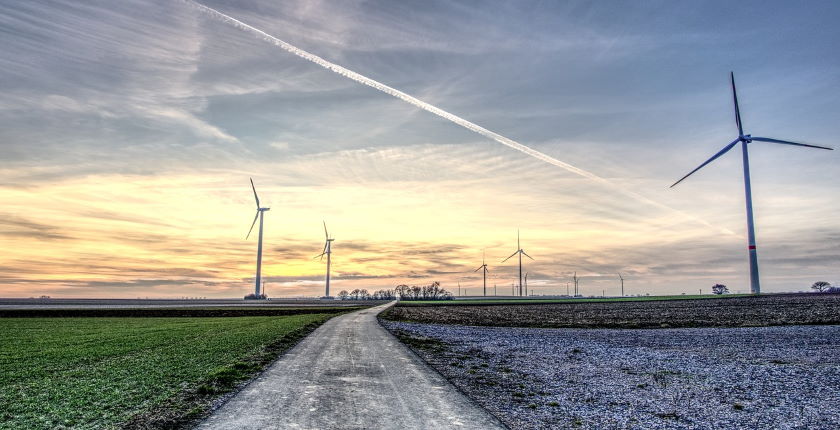
Within five years, the item in electricity bills intended for stimulating green power in Germany could be reduced to zero, while an average four-member family currently pays EUR 413 per year.
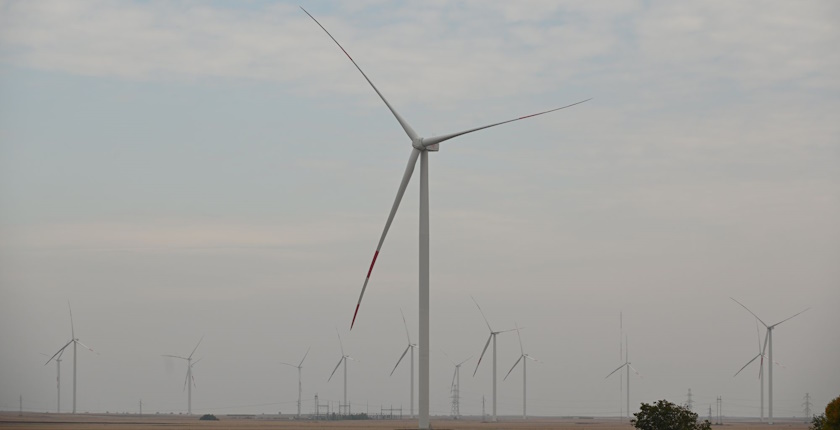
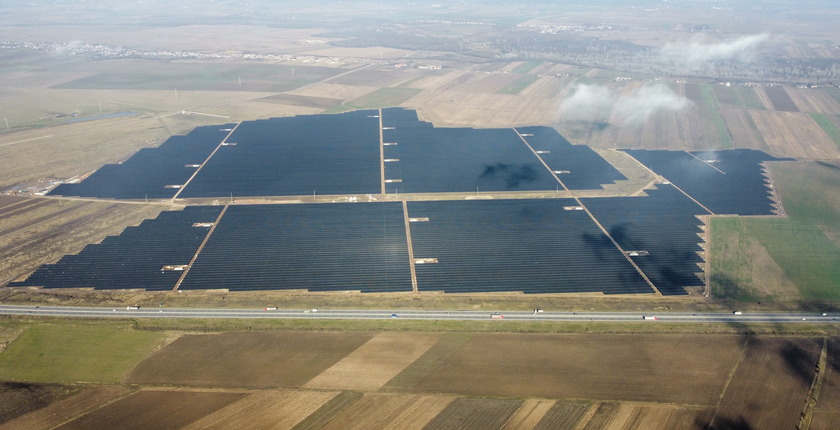
The government in Berlin has the ambition to phase out fossil fuels in electricity production already by 2040 as it aims to become carbon neutral before mid-century, and decision-makers are discussing the measures for the next ten years. Federal Minister for Economic Affairs and Energy Peter Altmaier suggested the surcharge for the support to renewables should be removed from electricity bills in Germany. The funds, marked as EEG, are mostly directed to wind park and solar power plant operators.
The said levy needs to be gradually lowered and abolished in 2026 so that power prices in the country would decrease near the European average, he said. Altmaier clarified that it doesn’t mean electricity producers would be left without any support, but that it would ease the burden for consumers, adding the success of the energy transition and decarbonization depends on them.
Support for production of green power to be switched to fiscal means
The surcharge in Germany is 6.5 eurocents per kilowatt-hour and it is already scheduled to be cut to six cents next year. The IW Köln institute calculated that annulling it would bring annual savings of EUR 413 for a four-member family consuming 5 MWh per year, or one hundred times more for an average manufacturing facility.
Annulling the levy with which consumers stimulate renewables would lower power prices close to the European average, Minister Altmaier claims
However, as the minister indicated, households and businesses would then stimulate power from renewable sources in other ways, for instance via the budget and the electricity tax. Levies and taxes make up five sixths of the power bills for households and the price is in the vicinity of 30 eurocents per kilowatt-hour. The biggest items are the network charges and the EEG, and the latter is worth EUR 25 billion per year in total. It has been steadily rising in the past years.
Of note, at the beginning of the year Serbia lifted the surcharge that households and firms pay to stimulate so-called privileged power producers by almost fivefold, to 0.37 eurocents per kilowatt-hour.
Germany has rising ambitions for share of energy from renewable sources
The current target share of renewables in gross electricity consumption in Germany for 2030 is 65%. The federal government wants to boost the capacity of onshore wind power plants to 71 GW, compared to 20 GW in the offshore segment, 100 GW for solar power plants and an overall 8.4 GW for biomass-fueled systems, and there is a possibility that the quotas would soon be increased.
Altmaier stated that last year greenhouse gas emissions were 42% lower than in 1990, meaning the reduction was two percentage points larger than planned. He asserted the level would be topped even without the lockdown measures imposed over the coronavirus pandemic and said it shows emissions trading works. Germany included heating and transportation in the system this year on the national level.
The government has just set a goal for the share of renewables in transportation at 28% for the end of the decade or two times higher than the European Union.