


The European Commission (EC) has requested in its July infringement package from several EU member states in South-East Europe to tackle environmental issues like emissions or waste management, and to apply the EU rules in this regard.
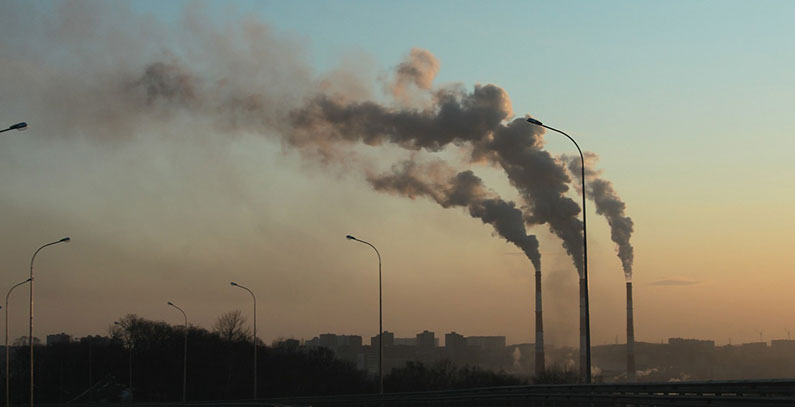
The EC requested Romania to tackle emissions from large combustion plants, adding that four industrial plants in the country still do not have a permit ensuring that their emissions into air do not exceed the emission limit values set by EU law.
The Commission has announced that it is therefore sending to the Romanian authorities an additional letter of formal notice.
The permits are required by the Industrial Emissions Directive (Directive 2010/75/EU) which seeks to prevent, reduce and, as far as possible, eliminate pollution arising from industrial activities. The Directive contains specific permitting requirements for large combustion plants with maximum emission limit values for pollutant emissions of sulphur dioxide, nitrogen oxide and dust.
Tailing pond in Romania pollutes air in Serbia
Romania will also receive a letter of formal notice from the European Commission over its failure to take measures to comply with a Court of Justice of the EU’s judgment on mining waste.
A year ago, the Court declared that Romania had failed to adopt appropriate measures to prevent the upheaval of dust from the surface of the Boșneag tailing pond. The EC said in a statement that this tailing pond is a major source of pollution and health threat for residents in nearby localities such as Moldova Noua, in Romania and Veliko Gradište in Serbia, especially during windy periods.
Under the Directive 2006/21/EC, Member States have to ensure that extractive waste is managed without endangering human health or harming the environment. Also, the operator has to take adequate measures to prevent or reduce dust and gas emissions.
If Romania fails to act within two months, the Commission may refer Romania back to the Court of Justice of the EU, in which case Romania will face fines, the statement said.
Bulgaria and Cyprus to treat waste water properly
The Commission has decided to send a letter of formal notice to Bulgaria and Cyprus because they do not properly apply several key provisions of the urban waste water treatment rules.
It has urged Bulgaria to ensure that urban waste water is adequately collected and treated in 96 agglomerations on its territory, while Cyprus was also called to do the same with waste water in its 41 agglomerations.
Under EU law (Directive 91/271/EEC), towns and cities are required to put in place the necessary infrastructure in order to collect and treat their urban waste water.