



The European Bank for Reconstruction and Development (EBRD) seeks a consultant to undertake the development and preparation of the technical baseline required for a LED street lighting project in three cities or regions in Greece.
According to an invitation for expressions of interest, the technical baseline should include all the technical information on the existing street lighting system of the considered city or region. The competent authorities will organise a tender for an ESCO private-public partnership (PPP) project on the basis of the prepared technical baseline. It should enable bidders to establish their technical and financial proposal in a timely and efficient manner.
The project description identifies street lighting systems in Greece as outdated and energy inefficient thus leading to costly energy bills and high maintenance costs. Modern street lighting solutions are seen as a way of implementing efficiency measures and cutting energy costs.
Since municipalities are not in a position to invest on their own, the Greek Government envisaged a solution based on the experience developed in other European countries. This solution includes the selection of a private company which will design, implement, finance and operate street lighting. Street lighting will be contractually outsourced to the private company, with payment linked to the performance achieved (an ESCO approach).
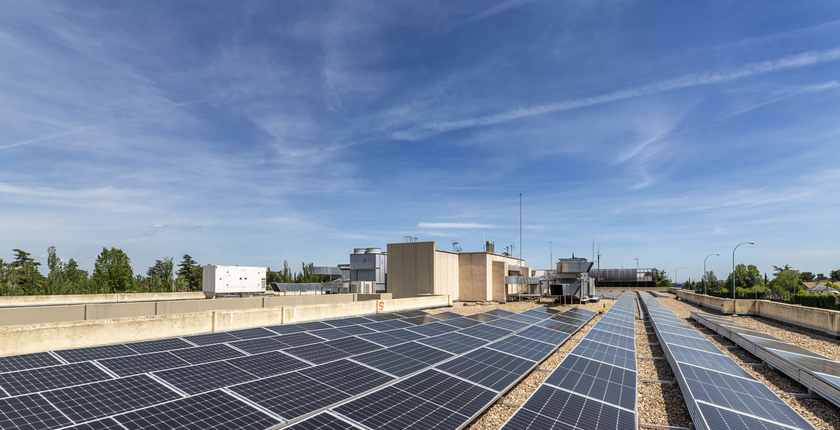
The Municipalities of Piraeus and Chania have been identified as the first two cities which will launch tenders for the upgrade of their street lighting systems, under a concession or PPP type of arrangement. The use of photovoltaic systems will also be explored.
The consultant is expected to develop several street lighting system upgrade options and define their respective scope. The assignment is expected to start in May 2017 and has an estimated overall duration of 20 weeks. The assignment duration may be subject to extension and its estimated cost is EUR 275,000, or EUR 92,000 per city exclusive of VAT.
The wanted consultant should be a firm or a group of firms with a strong track record of previous project experience in implementing energy efficiency projects in Greece or other European countries, preferably in the street lighting or buildings sectors. Preferably, the consultant should also demonstrate international experience of ESCO and PPP contracting for energy efficiency, particularly in street lighting.
All interested parties can apply until March 3, 2017. For more information, read the invitation for expressions of interest.