





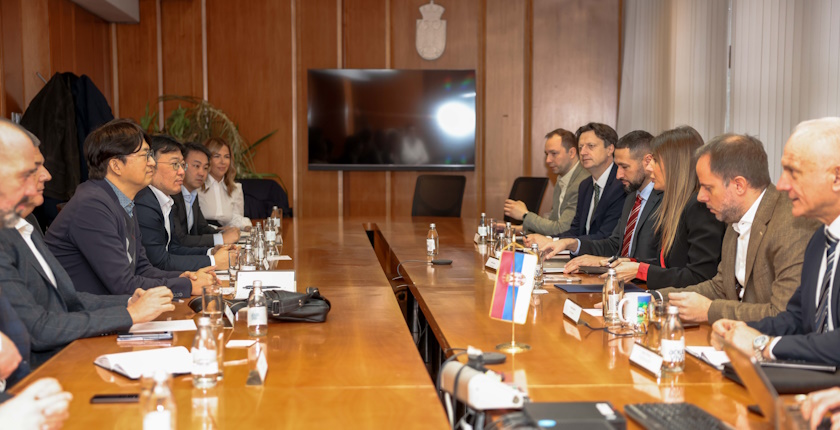
Photo: Ministry of Mining and Energy


The preparation of documentation is going as planned and the first works on the project in Serbia for solar power plants of 1 GW in total and batteries is expected by early 2026, Minister of Mining and Energy Dubravka Đedović Handanović said.
Minister of Mining and Energy of Serbia Dubravka Đedović Handanović spoke with Lee Yi Sung, the head of South Korean company Hyundai Engineering’s office in Belgrade, on the forthcoming construction of self-balancing photovoltaic plants with a total connection capacity of 1 GW. He led a delegation that included the representatives of the other partner in the consortium, UGT Renewables or UGTR, based in the United States.
The project would bring the biggest renewable energy production capacity to state-owned EPS
“The construction of self-balancing solar power plants throughout Serbia, with 1 GW in capacity, is one of the biggest European renewable energy projects and the most important projects in Serbia’s energy system. It will enable more green energy in our system, which is of exceptional importance for companies and citizens as well as for improving the security of supply. Thanks to this project, Elektroprivreda Srbije will get the biggest renewable energy production capacity, which will further strengthen its position as the key green energy producer. In addition, modern battery energy storage systems will improve the capability for the balancing of the electricity system,” Đedović Handanović stated.
Peak capacity of contracted PV plants is 1.2 GW
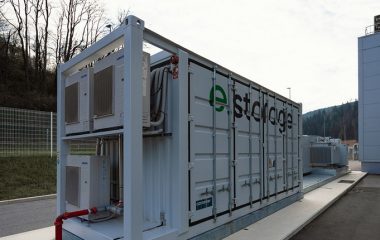
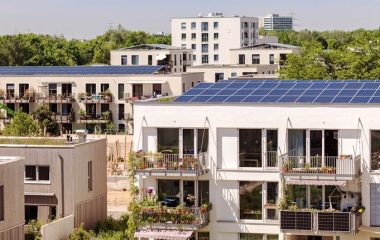
The six contracted photovoltaic plants from the strategic partnership are envisaged with 1.2 GW in peak capacity. They would be turned over to state-owned power utility Elektroprivreda Srbije (EPS). The deal includes battery energy storage systems with a combined 200 MW in operational power and a maximum 400 MWh in capacity.
The minister pointed out that the planning and technical documentation is underway as scheduled. “We expect the initial works on construction to begin by the end of this year or early next year,” she asserted.
UGTR, Hyundai Renewables scheduled to complete construction in 2028
Đedović Handanović noted that the construction contract was signed in mid-October, adding that the negotiations on financing are underway.
The ministry said Lee Yi Sung, who heads Hyundai Engineering’s office in Serbia, stressed the company’s commitment to the strategic project and said it would contribute to renewables development and the strengthening of the country’s energy stability.
The consortium is tasked with completing construction in 2028.
Be the first one to comment on this article.