


The Republic of Srpska Securities Commission has given the go-ahead to Naša Banka to issue Bosnia and Herzegovina’s first-ever green bonds. The bonds will be issued on the Banja Luka Stock Exchange, and the bank will seek to raise BAM 7 million (about EUR 3.57 million) to finance lending for the purchase of green technology that helps cut CO2 emissions.
Green or ESG (Environmental, Social and Governance) bonds are a fixed-income instrument designed to support climate or environmental projects. Naša Banka will issue 70,000 bonds worth BAM 100 each. The maturity period is 7 years, and the annual interest rate is 5.15%.
The first issue of ESG bonds is aimed at reducing CO2 emissions
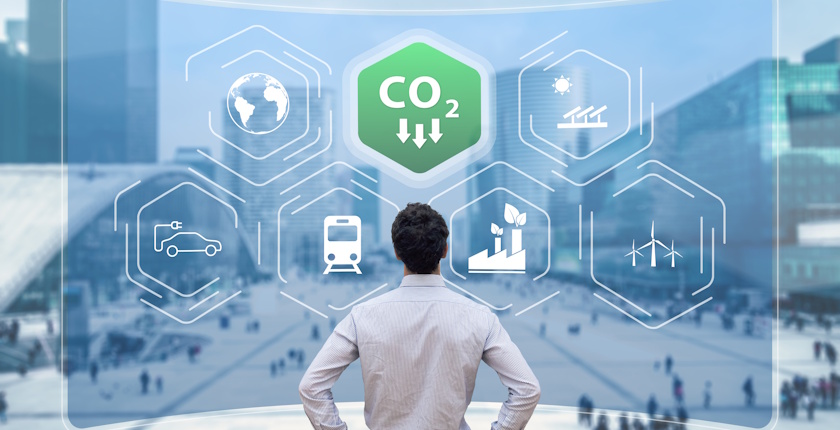
The goal of the first issue of ESG bonds is to reduce CO2 emissions, the bank said. Through two credit lines, the proceeds of the bond issue will be used to finance long-term loans to individuals and legal entities for the purchase of products that result in lower CO2 emissions.
The loans can be used, among other things, to buy heat pumps, solar panels, or electric cars, as well as for other purposes that lead to lower CO2 emissions. It will also be possible to refinance invoices for fixed assets paid no more than 12 months from the date of submitting the loan application, according to Naša Banka.
The success of the first ESG bond issue will be assessed by Sarajevo-based consultancy Enova
The success of the first ESG bond issue in Bosnia and Herzegovina will be assessed by Sarajevo-based consultancy Enova. The first assessment will be performed after three years, and the issue will be considered successful if at least 60% of the offering is subscribed and paid for within the set deadline.
In case Enova determines that the issuer has not met the intended goals, the interest rate is to be increased by 0.20 percentage points, to 5.35%, until maturity.
Comments (1)
ConfusedBalkanite
C02 is what we are made of, we are a carbon-based species. Do you want to be green, then plant a tree and a garden. Start reusing waste water from your sink or laundry for your trees, garden and farm. Electric cars are a joke. They cause more environmental pollution due to over mining for lithium deposits. You live in a sovereign nation…Don’t fall for this crap that is propagandized by wealthy elites and NGO’s to be used against you and destabilize your freedoms. Keep your freedoms by saying no to “Green” bonds. Bosnia and Herzegovina is a Balkan paradise. Keep it that way. I’m a westerner and have firsthand knowledge of what the west is capable of doing to other countries. The US and Hollywood fiction, is just that. Govern yourselves and families, so you’re not again governed by iron fist hidong behind a “Green” mask. Blessings