

Electricity

Albania’s energy consumption continued to rise sharply in 2014

Published

March 24, 2015

Country

Comments

comments icon

0

Share

Published:

March 24, 2015

Country:

Comments:

comments icon

0

Share

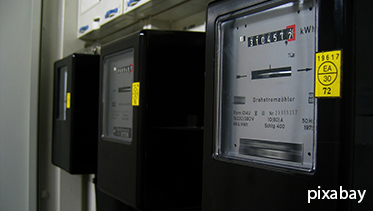
Albania’s consumption of electricity, the leading source of energy, continued to rise sharply in 2014 and, after several years, had a reduction in the level of electricity losses, the national Institute of Statistics (Instat) said.

Household consumers increased consumption of electricity by 10.2% from 2013. Electricity consumption in total by customers rose by 10.1% from the previous year, to 5.01 TWh.

Increasing energy demand led to 44.5% higher gross electricity imports than in the previous year. Consequently, exports of electricity fell sharply. Gross deliveries abroad of electricity decreased from 1.43 TWh to 288 GWh.

Related Articles

Serbia EMS grid connection contracts seven battery storage projects

Serbia’s EMS signs grid connection contracts for seven battery storage projects

30 April 2026 - Serbia's TSO Elektromreža Srbije signed grid connection contracts for seven standalone battery storage projects

croatia star energy enna geo geothermal projects

British Star Energy sells three geothermal projects in Croatia

30 April 2026 - The transaction releases EUR 5.2 million of restricted cash and removes future capital commitments arising from licences, the company said

Energy transition as systemic transformation Siemens Energy Lazar Mijic interview

Energy transition as systemic transformation

30 April 2026 - We spoke with Lazar Mijić, Head of Global Business Strategy in the business area Transformation of Industries at Siemens Energy, about where the region currently stands on the map of global energy transition

Greek government sees PV losses from zero prices as informal support for consumers

Greece frames solar power’s zero prices as informal consumer support

30 April 2026 - The Greek government is reluctant to remunerate photovoltaic producers for their high losses from zero or negative hourly wholesale prices