


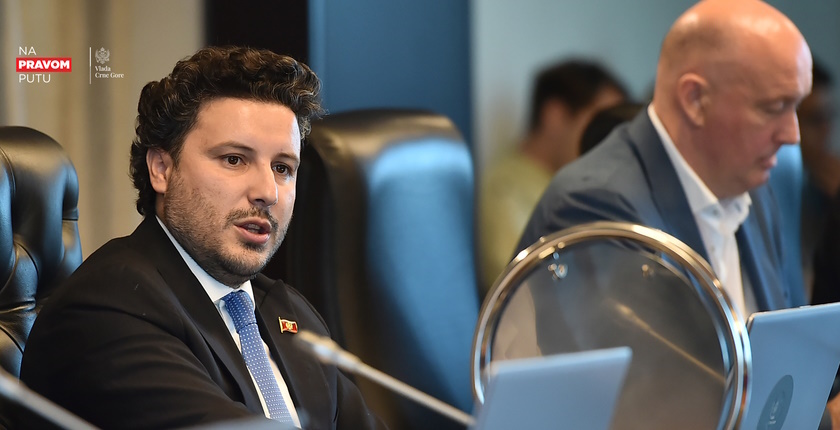
The Prime Minister of Montenegro Dritan Abazović has proposed the installation of solar panels on state institutions to lower the costs of electricity which are now at EUR 25 million per year.
Dritan Abazović has suggested that state-owned power utility Elektroprivreda Crne Gore (EPCG) should be in charge of setting up photovoltaic power plants on state buildings, Pobjeda reported. This job should be awarded to EPCG without tendering, he added.
Of note, state institutions are usually obliged to apply tendering to find a company for installation. But, due to procedural rules, it could slow the investment.
He pointed out that the overall electricity annual bill of state institutions reaches EUR 25 million, and that they could use the funds to invest in solar panels. The investment would enormously lower the bill, and save the money to the government, Abazović stressed.
The state is now humiliating itself because it cannot do what private companies can
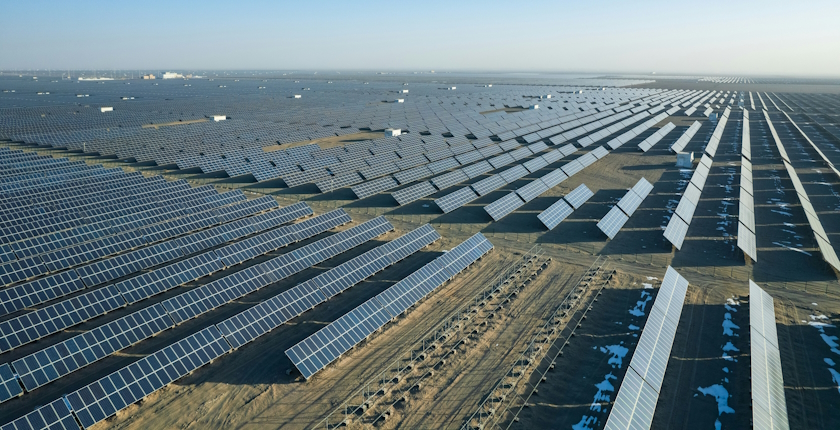
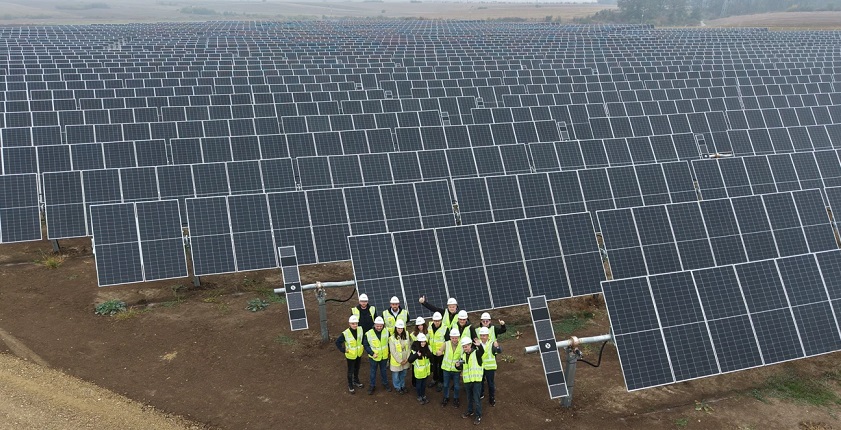
Solar power plants would be installed at schools, hospitals, ministries, police stations, everywhere, he said, where it is feasible.
Abazović believes that the government should adopt a decision that state institutions do not have a special need to enter tendering or any other procedures in order to pick contractors. EPCG would sign a contract for the installation with a certain price, of course, and the job would be finished.
Let’s include EPCG Solar, our installers… and everyone would be happy, Abazović said and added that the absence of tenders does mean no procedures would be applied.
Now, in his words, the state is humiliating itself because it cannot do something that private companies can.
The ministers of finance and health have supported the idea
The Minister of Finance, Aleksandar Damjanović, said that it is not in dispute to reach a conclusion in order to support this idea. He pointed out that laws are not holy scripture, and that the goal is to apply them, but also to change them if application is impossible.
The Minister of Health, Dragoslav Šćekić, also supported Abazović’s initiative, because it is to everyone’s benefit due to the large amount of money allocated for paying for electricity.