







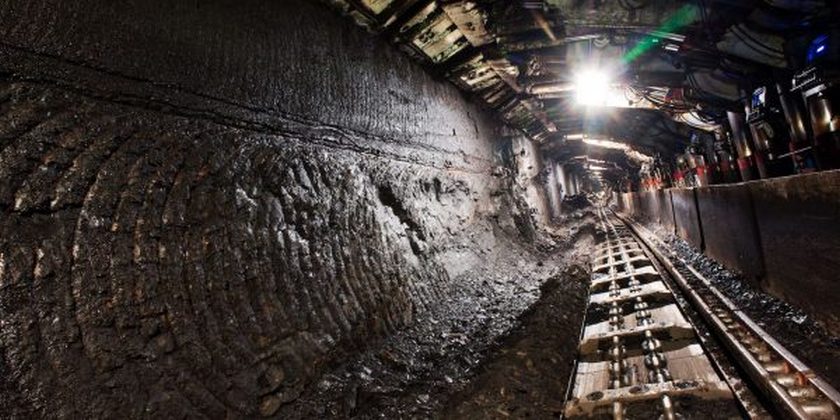
Photo: Premogovnik Velenje


The Slovenian Parliament has adopted a law on the gradual shutdown of the country’s last remaining coal mine, Premogovnik Velenje. It envisages spending EUR 1.13 billion over twenty years on closure works, land rehabilitation, and a just transition for miners. The law stipulates that coal mining in Velenje will end by 2033, with closure activities expected to proceed gradually until 2045.
The EUR 1.13 billion spending plan, or about EUR 50 million per year on average, is envisaged for the period from 2026 to 2045. To use these funds, the company operating the mine will first have to secure its own funds from operations and divestment of non-core assets, as the state budget will only cover the shortfall, the Government of Slovenia said.
More detailed programs for the gradual closure of the mine will be prepared each year for the next two years. The final liquidation of the mine’s operator, Premogovnik Velenje d.o.o., is planned for 2045. Last year, the government initiated the country’s coal phaseout by assuming direct ownership of the Velenje coal mine and the Šoštanj coal power plant from state-owned power utility Holding Slovenske Elektrarne (HSE).
Since the content of the law is considered a state aid scheme, it needs to be approved by the European Commission before it enters into force. The law is expected to be implemented after July 1 this year.
Ensuring a just transition for miners
As for the mine’s employees, no major layoffs are expected, given the scale of the planned closure works, which include rehabilitating over 50 kilometers of mine routes, closing the shafts, and recultivating more than 1,100 hectares of land. Rather, the workforce is expected to decrease through natural attrition.
No major layoffs are expected, and the workforce should shrink through attrition
Instead of cutting 700-900 jobs at once, redundancies will be limited to around 250 workers in 2034, the government said.
To ensure a just energy transition for redundant miners, the law envisages measures such as early retirement, higher severance pay, and training and retraining programs.
The mine’s union leader, Simon Lamut, welcomed the passage of the law, describing it as “one of the most appropriate ways to exit coal production, while at the same time ensuring social security for the largest possible number of employees.”

Be the first one to comment on this article.