





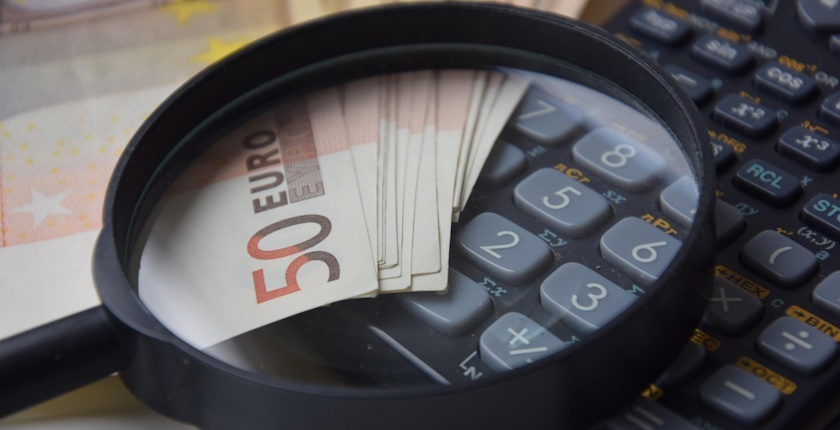
Photo: Louis from Pixabay


Slovenia will purchase renewable energy from Croatia through a statistical transfer to meet its 2024 renewable energy target.
A statistical transfer is allowed at the European Union to help member states meet their national renewable energy targets. This will be the fourth time Slovenia has used this option in the 2020-2024 period.
Since 2020, the 25% goal for renewable energy’s share in gross final consumption has only been reached in 2023. The shortfall for 2024, when the share was 24.6%, will be covered by purchasing 207 GWh from Croatia for EUR 1.78 million, or EUR 8.60 per MWh, Žurnal24 reported.
The Czechs and Croats have benefited from Slovenia’s failure to reach the set goal
In 2020, Slovenia paid the Czech Republic EUR 5 million for a missing 465 MWh. The same country assisted it in 2021 as well, and the price for the service was EUR 2 million, for 208 MWh. According to the Ministry of Infrastructure, which was in charge of energy at the time, it did it to retain access to the EU’s Cohesion Fund for 2021-2027.
Slovenia paid the most in 2022, EUR 10.8 million for 1,193 MWh, to Croatia. In total, since 2020, nearly EUR 20 million has been spent on statistical transfers from the Czech Republic and Croatia.
EUR 20 million in total went to Czechia and Croatia
The government in Ljubljana covered the cost from renewable energy support funds, managed by electricity market operator Borzen.
The problem could become even bigger as the national target will increase to 33%
The Ministry of Environment, Climate and Energy attributed the failure to reach the 2024 goal to an increase in the consumption of fossil fuels.
It was 1 TWh higher than in 2023. However, the issue could get even worse. Slovenia faces new targets from 2030 on.
The minimum share set in the National Energy and Climate Plan (NECP) is 33%. It means that the share should increase by at least 1.6 percentage points per year on average over the next five years to avoid new payments.
Be the first one to comment on this article.