






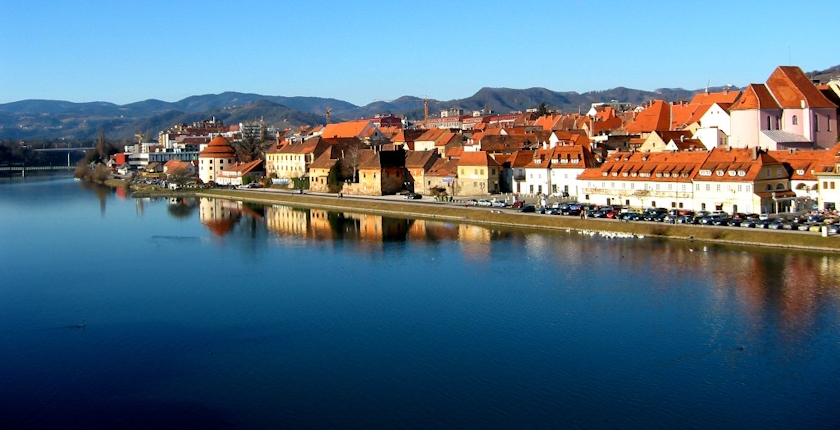
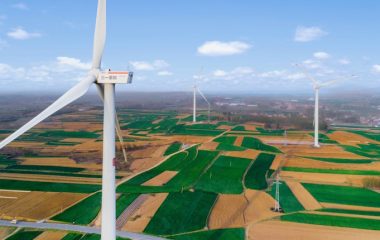
Photo: Andrej Jakobčič / https://creativecommons.org/licenses/by-sa/3.0/deed.en


The Ministry of the Environment, Climate and Energy of Slovenia launched a public call for cofunding the construction or restructuring of district heating and cooling systems using renewable energy sources. The grants, for companies and cooperatives, are from the European Union’s cohesion support mechanisms.
The introduction of renewables-based district heating and cooling systems reduces pollution, greenhouse gas emissions and the dependence on fossil fuels. Much of the European household and business sectors still rely on gas boilers for heating. In addition, the ever-increasing severity and length of heat waves are prompting the need for a systemic cooling solution.
As part of its decarbonization and energy efficiency efforts, Slovenia launched a EUR 51.2 million cofunding package for companies and cooperatives.
The program covers the construction or restructuring of district heating and cooling systems using renewable energy sources. The first deadline for applications is September 11, followed by one on January 8, the Ministry of the Environment, Climate and Energy said.
The public call will be open until the entire sum is allocated, or at the latest until September 11, 2026, the third deadline. The EU’s cohesion funding accounts for 85% and Slovenia is providing the rest.
District heating projects that include cooling get additional points
While primarily aimed at increasing the production of electricity and heat from renewable energy sources and from waste heat, the scheme includes additional points for projects that involve cooling. The systems are required to cover at least 350 kW of consumption.
Eligible equipment includes heat pumps, solar collectors, wood biomass boilers and combined heat and power (CHP or cogeneration) solutions.
Large companies can receive up to 45% of their investment, while mid-sized ones can get 55%. The cap for small and micro enterprises is 65%. The maximum individual grant is EUR 30 million.
Slovenia’s current calls for subsidizing sustainable mobility, energy efficiency and renewables projects are worth more than EUR 300 million altogether. The government is preparing four more, for EUR 62 million overall.

Be the first one to comment on this article.