






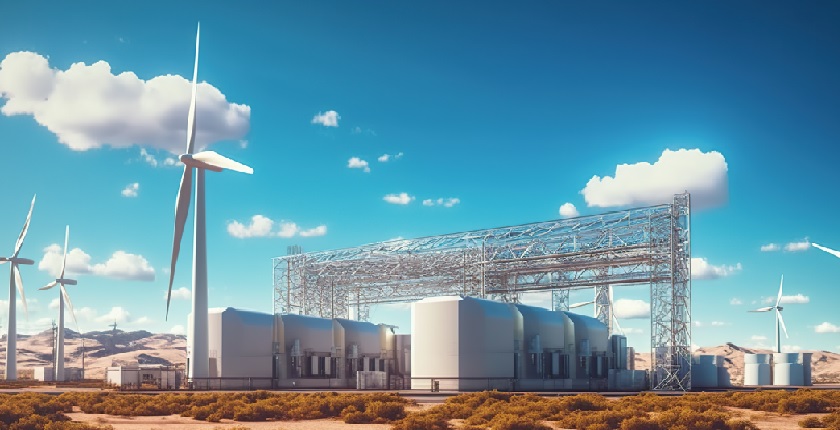
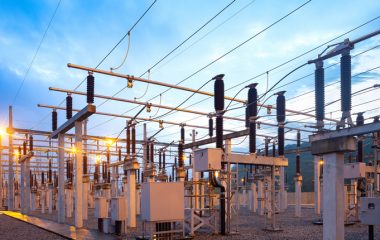
Photo: freepik.com


A new ministerial decree sets the framework for the installation of 3.55 GW of energy storage – standalone batteries, without subsidies.
The new framework for batteries, presented by the Ministry of Environment and Energy, is under public consultation.
It drastically increases the ambition, originally for between 2 GW and 2.5 GW. Now the government aims for 2.65 GW of batteries in the transmission grid plus another 900 MW in the distribution grid.
It should be noted that the Greek National Energy and Climate Plan (NECP) calls for 4.3 GW of storage by 2030. So far, 900 MW was allocated through auctions, which means that all the rest would be under the scope of the new plan. The difference is that there are no more subsidies, as battery storage is considered a mature technology.
Strict completion times for new standalone batteries
To participate in auctions, batteries will need to provide at least two hours of storage. The new projects will face strict completion deadlines, including 14 months for grid connection terms. Otherwise, investors will lose the EUR 200,000 per MW letter of guarantee required for projects in the transmission network and EUR 50,000 per MW in distribution.
Another interesting aspect is the inclusion of a competition restriction. Each company would be able to submit applications for a maximum 200 MW in combined capability.
Capability quota split among several categories
Future auctions for standalone batteries will be divided into categories.
In the transmission network, 500 MW was allocated to projects with power purchase agreements (PPAs) of at least eight years with energy intensive industries.
Another 100 MW is set for batteries of over 10 MW each, also with private PPAs.
There is a 250 MW quota for batteries in coal regions. The largest part, 1.8 GW, is for other projects
When it comes to the distribution level, 400 MW is for battery energy storage systems (BESS) of at least 5 MW apiece.
The categories of 1 MW to 5 MW, and under 1 MW, have quotas of 200 MW each. The ministry envisages 100 MW for investments with PPAs signed with businesses or industrial production facilities.
The regions of Central Macedonia and Western Macedonia account for the largest shares of the planned operating power, 300 MW each.

Be the first one to comment on this article.