






Photo: Jan Tiedemann from Pixabay


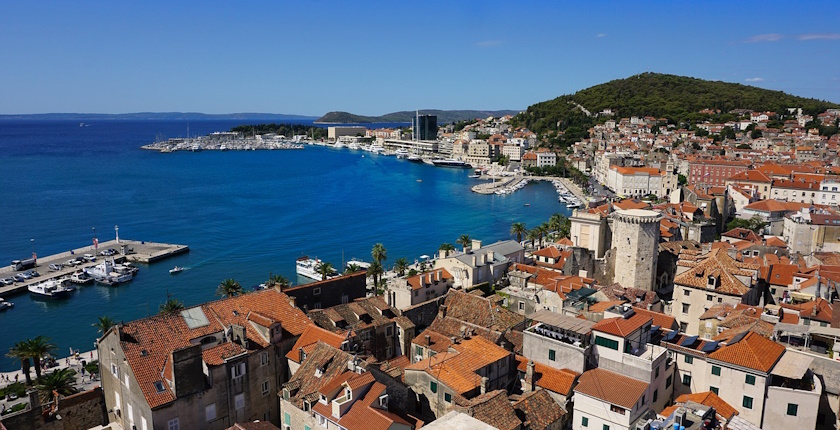
Croatia received funds for improving wastewater management in the Zadar-Petrčane agglomeration by expanding the sewerage network and upgrading a wastewater treatment facility.
The European Commission said it has approved a European Union-funded project for upgrading the sewerage infrastructure in Zadar and Petrčane, a tourist hotspot on Croatia’s Adriatic coast.
The agglomeration, home to 75,000 residents and a destination for 1.5 million tourist overnight stays annually, faces challenges with wastewater management, according to the announcement.
Only 70% of the population of Zadar and Petrčane is connected to the wastewater network, which is 185 kilometers long, the commission said. The rest rely on semi-permeable septic tanks that leak untreated sewage into soil and coastal waters, it added.
The project envisages the installation of 50.8 kilometers of new sewerage pipelines
The two-phase project covers EU programming periods 2014-2020 and 2021-2027. It envisages connecting 13,152 more residents to the sewerage network, boosting the rate to 94%.
The first phase is supported by a EUR 25.5 million EU contribution from the Cohesion Fund. The total EU co-financing will reach EUR 54.8 million in the second and final phase of the project, according to the update.
The funds are envisaged for the construction of 50.8 kilometers of sewerage pipelines, reconstruction or rehabilitation of three kilometers within the network, and upgrading one wastewater treatment plant to a modern processing level. The project should be finished in 2026.
The project helps Croatia to align with the EU directives
The initiative will significantly reduce untreated sewage infiltration, safeguarding soil and sea quality, the commission said and added the improvements are vital for preserving the pristine coastal ecosystem, crucial for the local tourism economy.
By reducing pollution and enhancing wastewater treatment, the project will deliver long-term environmental and public health benefits for residents and tourists alike, according to the EU’s executive body.
The project helps Croatia to align with the EU Water Framework Directive and Urban Wastewater Directive.
According to the country’s water utility Hrvatske Vode, 43% of the total population is connected to different wastewater treatment systems, while 55% is connected to the sewerage network, public broadcaster HRT reported. The rates are the lowest in the EU.


Be the first one to comment on this article.