







Photo: Wirestock on Freepik


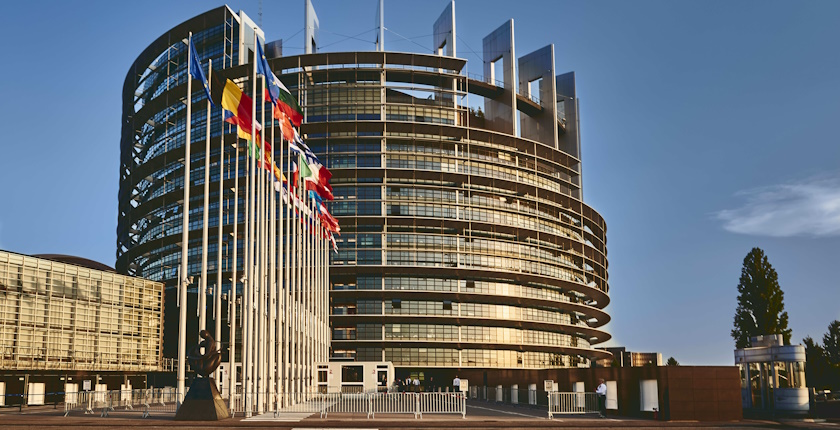
The Council of the European Union adopted the proposal for the EU and Euratom to leave the Energy Charter Treaty. However, it left the door open for member states to remain as contracting parties and support the improvement of the agreement.
Investors in energy projects that were blocked for not aligning with the 2015 Paris Agreement and the EU’s climate goals have been claiming damages from member states under the Energy Charter Treaty. They are arguing that their permits were legitimate at the time of issuance. It is why a group of governments and the administration in Brussels decided to withdraw. The Council of the EU said it issued a final approval, following the adoption of the proposal in the European Parliament last month.
The European Union and the European Atomic Energy Community (EAEC or Euratom) are quitting the Energy Charter Treaty. However, member states will be allowed to support its modernization during the next energy charter conference. The decisions are linked as they form the two pillars of a political compromise known as the Belgian roadmap, the announcement reads.
Modernization process began in 2018
The Energy Charter Treaty is a multilateral agreement that entered into force in 1998 and contains provisions on investment protection and trade in the energy sector. The modernization process was initiated in 2018.
Member states who wish to remain contracting parties after the EU and Euratom’s withdrawal will be able to vote during the conference – expected to take place by end-2024 – by approving or not opposing the adoption of a modernized agreement.
This way, by breaking the stalemate within the EU, the Belgian roadmap also unlocked the process of modernization for its non-EU contracting parties, the Council of the EU said.
The withdrawal will take effect after one year.
Italy withdrew eight years ago
The first to leave was Italy, in 2016. France, Germany, Luxembourg and Poland officially quit recently, while Spain, the Netherlands, Slovenia, Denmark, Ireland, Portugal have announced over the past year and a half that they would withdraw. So did the United Kingdom.
Cyprus, Greece, Hungary and Slovakia are among the countries that reportedly opted against leaving the treaty.



Be the first one to comment on this article.