







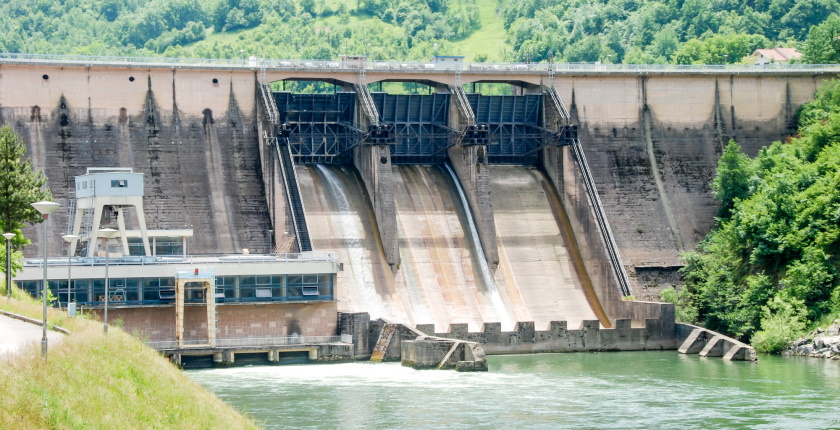
HPP Potpeć (photo: EPS)


Serbia has taken two essential steps in preparation for constructing the pumped storage hydropower plant Bistrica. It is one of the most critical investments in the energy sector of Serbia, with a projected capacity of 630 megawatts (MW).
State-owned power utility Elektroprivreda Srbije (EPS) has chosen the companies that will prepare a preliminary design and feasibility study for the Bistrica project, and the Government of Serbia has decided to develop a spatial plan for the special purpose area for the pumped storage hydropower facility Bistrica and the Potpeć hydropower plant.
The plan for the construction of Bistrica dates back four decades. The project has become more relevant in recent years because Serbia needs new production capacities, especially those for storing energy and balancing intermittent production from wind farms and solar power plants. This way, the country also creates conditions for investments in renewables.
In the meantime, the energy crisis started and pushed electricity prices to record levels. On top of that, EPS experienced a collapse in coal and electricity output in December last year. Since then, Serbia can’t produce enough electricity for its needs, making imports worth hundreds of millions of euros inevitable. The crisis in electricity production caused decision-makers to accelerate the decision on the construction of new power plants.
Energoprojekt Hidroinženjering is responsible for the design
EPS launched a tender in December to develop the preliminary design and feasibility study for the construction of Bistrica pumped storage. The job was awarded to a local consortium of Energoprojekt Hidroinženjering, EKC, and the Institute of Architecture and Urban and Spatial Planning of Serbia.
Their offer was the only one received in time and acceptable, with the price of EUR 1.6 million excluding VAT, EPS said.
The deadline for drafting the design is 18 months
The deadline to prepare a preliminary design and feasibility study is 18 months. Interestingly, Energoprojekt Hidroinženjering delivered the first design back in 1981.
The second important step is preparing the spatial plan for the special purpose area for Bistrica hydropower pumped storage and the Potpeć hydropower plant. The second power plant has already been built and has been operating with a capacity of 60 MW since 1967 as part of EPS.
According to the government’s decision, the plan includes parts of the municipalities of Nova Varoš, Priboj, and Prijepolje. The deadline for preparing it is 12 months, and EPS will provide the funds.



Be the first one to comment on this article.