






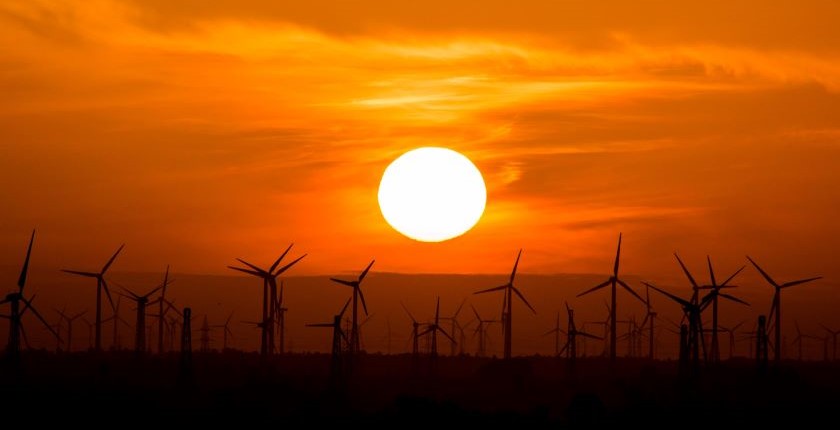
Photo: Amol Mande from Pexels


Croatia will hold yet another round of auctions for the allocation of premiums for renewable energy power plants, with a total quota of 2,010 MW, according to Darjan Budimir, deputy general manager at the Croatian Energy Market Operator (HROTE). The announcement comes after the recent launch of the country’s first auction for premiums for large power plants, with a 648 MW quota.
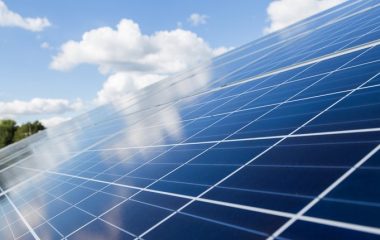
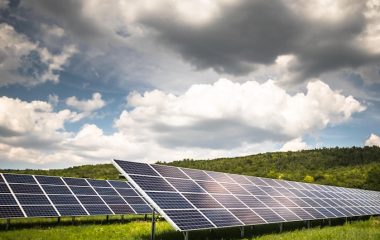
Out of the total 2,010 MW quota in the upcoming auctions, 1,050 MW is envisaged for wind farms with a capacity of more than 3 MW, and 865MW for solar power plants of over 500 kW, according to Budumir, Poslovni dnevnik reports.
1,050 MW is envisaged for wind farms of over 3 MW, and 865 MW for solar power plants of more than 500 kW
Biomass power plants with an installed capacity of 500 kW to 2 MW will have a quota of 33 MW. Quotas have also been set for biogas power plants, geothermal power plants, and small hydropower plants. For innovative technologies that have received EU development assistance, a quota of 10 MW is foreseen, Budimir explained.
“Croatia has enormous potential for the development of renewable energy sources, measured in gigawatts of new capacity,” Budimir said at a panel on the green agenda in the economy, organized by Poslovni dnevnik.
The implementation of the green agenda is unthinkable without new investments in renewable energy sources, and this has been facilitated by the drop in technology prices in recent years, he noted.
A new subsidy model for green energy
The 648 MW auction recently launched in Croatia was the country’s first for large power plants. The deadline for submitting bids was mid-April, and auction results are expected.
The maximum allowed prices per MWh were HRK 495.63 (EUR 65.47) for solar power plants and HRK 460.91 (EUR 60.88) for wind farms.
The available quota for solar power plants of more than 500 kW was 300 MW, and for wind parks of more than 3 MW, also 300 MW. The remaining 48 MW was allocated to geothermal power plants, biogas power plants, biomass power plants, and hydropower plants.
Auctions for the allocation of premiums, as a new model for subsidizing the production of electricity from renewable sources, were introduced in Croatia in mid-2020, and the first auctions for small projects were held in early 2021.
According to estimates, auctions for the allocation of renewable energy premiums within the available quotas could mobilize investments of EUR 1 billion next year.
Last year, 3.5 TWh of electricity was produced in Croatia from a total of 1,048 MW of renewable energy capacity.
Be the first one to comment on this article.