








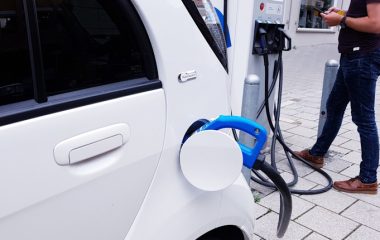
Photo: Bru-nO / Pixabay


Although batteries are an essential tool in the energy transition, they also have huge hidden costs and environmental impact, according to the Right to Repair campaign, which expects the new regulation to include the right to replace and repair batteries in consumer electronics. This way, the devices will not depend exclusively on the life span of the batteries, and the amount of electronic waste will also be reduced.
The Environment Committee of the European Parliament has adopted a report on the European Battery Regulation. The new regulation leads towards establishing long-awaited laws, which will apply to all batteries sold on the European market, notes the Right to Repair. The report voted in the European Parliament covers many aspects of the value chain related to batteries, says in the campaign.
Prohibition of integrated batteries
The report mandates the possibility of user replacement of batteries in consumer electronics and light means of transport, which, in other words, means a ban on integrated batteries in consumer electronics, according to a coalition of organizations campaigning for repairs.
EU will prevent the use of software to block the replacement of batteries
The possibility of replacing battery cells in batteries for electric bicycles and scooters by independent repairers will be a part of the new European regulation. And also, preventing the use of software to block the replacement of batteries or other key components. The instructions on how to replace the batteries should be permanently available online.
Sustainable sourcing and imprint on the environment
New regulation on batteries in Europe will also consider carbon footprint from manufacturing, collection, recycling, and use of recycled content, then the sustainable sourcing and the clear labeling of the batteries.
“Existing legislation for batteries does not explicitly address lithium batteries, despite them quickly becoming the dominant battery chemistry and leaving behind a vast environmental footprint. Lithium batteries are found in everything from smartphones to scooters, electric cars, and energy storage for smart grids,” the Right to Repair coalition states.
The next phase of the process is negotiations between the Council of Europe and Parliament and amendments to the Commission’s initial proposal, while the draft regulation on batteries should be put on a final vote by the end of this year at the latest.
The right to repair campaign
The Right to Repair Europe campaign is a coalition of over 80 organizations from 18 European countries, which have been fighting for longer-lasting electronic products since 2019, and the possibility of repairing them.
The coalition states that electronic waste is one of the fastest-growing waste streams in the world and emphasizes that manufacturers of mobile phones and laptop computers make it difficult to repair their products. But this device repair initiative is not just about electronic devices. The products in everyday use are getting harder to repair, campaign organizations claim, and the number of household appliances breaking down within 5 years of their purchase is also growing.
Manufacturers of phones and laptops make it difficult to repair their products, according to the campaign
The Right to Repair campaign, together with the European Environmental Bureau (EEB) and Lund University, in a recently published report, found that increased use of either non-replaceable or non-repairable batteries resulting in increased electronic waste, loss of critical raw materials, unnecessary costs for consumers, as well as to shorter product lifetime.



Be the first one to comment on this article.