






Photo: Pixabay


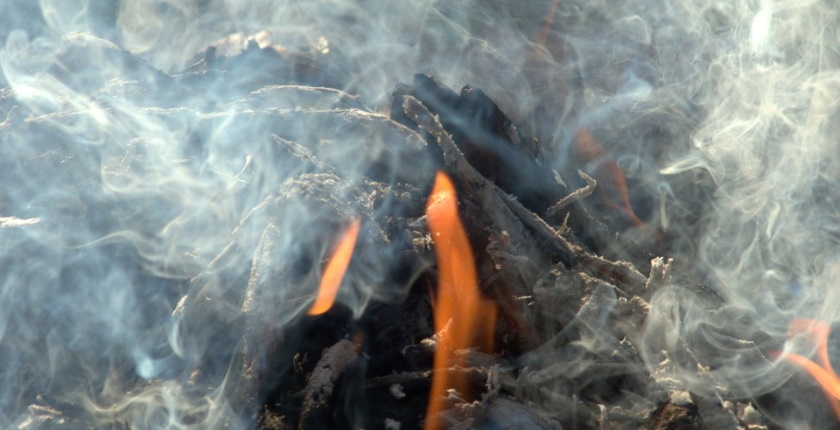
Environmental organization Zelena akcija and initiative “Siščani ne žele biti smetlišćani!” have asked Croatia’s Ministry of Economy and Sustainable Development to stop the construction of an incinerator for municipal waste and waste sludge in Sisak, arguing that it is an outdated solution for waste management and that it creates toxic waste and pollutes the environment. It is another project in a region within a loosely regulated waste management sector that citizens are opposing and the authorities support it.
The public discussion on the environmental impact assessment study for the Sisak incinerator finished a few days ago. According to the document, the construction of the facility is justified, according to Zelena akcija.
Zelena akcija has objected to the timeline of the public discussion as was organized in the middle of summer, from August 2 to 31. The construction of an incinerator for 100,000 tons of garbage and 50,000 tons of waste sludge, which would be brought from all over Croatia to Sisak, could cause economic, environmental and health damage, the organization said.
It also said that the citizens stood up against projects for incinerators in Zagreb and Konjščina and succeeded, and that they expect the same to happen in Sisak.
Of note, waste incinerators are planned not only in Croatia, but also in Bosnia and Herzegovina’s capital Sarajevo, in Bulgaria, North Macedonia, Slovenia, Serbia (Vinča, Krupanj, Niš).
Incinerators are outdated waste management solutions
According to Zelena akcija, the project for Sisak is not in line with the priorities in waste and sludge management defined by national legislation and the European Union’s directives.
The domestic waste management plan does not envisage the construction of waste incinerators, and the waste sludge management action plan emphasizes other ways of waste sludge disposal.
Incineration would generate huge amounts of toxic waste
Zelena akcija said an incinerator in Sisak would be an outdated solution and pointed out that the European Green Deal encourages sustainable solutions for the use of waste as a secondary raw material for industrial production.
Waste incinerators must not become an alibi for unsuccessful waste management centers
It said incineration would generate huge amounts of toxic waste like filters and ash, and that the materials are difficult to be disposed of as Croatia does not have a landfill for hazardous waste, making exports expensive.
The waste incinerator must not become an alibi for waste from unsuccessful waste management centers, Zelena akcija said.
According to the organization, it is necessary to change the management system for mixed waste so that it could be harmonized with circular economy principles.

Be the first one to comment on this article.