







Jovan Živanović


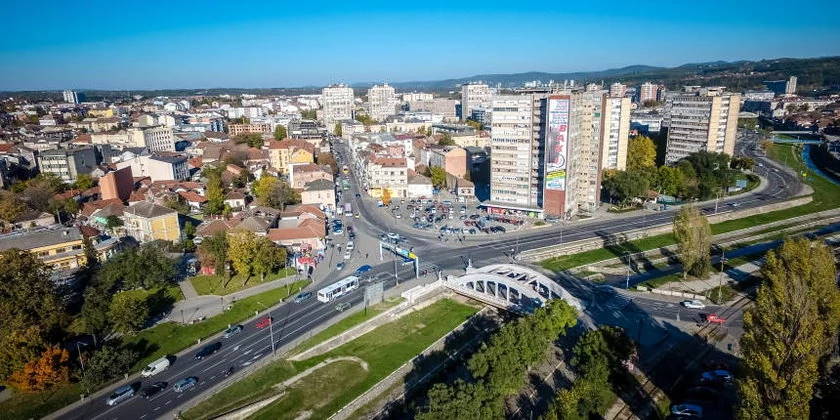
Kragujevac, the fourth-largest city in Serbia, will abandon the use of coal in district heating with a loan of up to EUR 18 million obtained from EBRD. Natural gas boilers with a total capacity of 110 MW will replace the old facilities.
The European Bank for Reconstruction and Development approved a loan to Serbia to decommission coal boilers in the district heating system in Kragujevac, install a gas-fired system and remediate an ash disposal site.
EBRD’s package is worth up to EUR 18 million. Up to EUR 4 million is intended for the ash landfill subproject and the tranche can be approved after the completion of due diligence, according to the bank’s documentation.
More heating decarbonization projects planned for Kragujevac
The financing will be complemented by technical support to local district heating company Energetika to help further decarbonize the heat supply and introduce renewable energy sources, EBRD said. In coordination with the European Union, the bank will also support Serbia in the preparation of a national energy and climate plan through 2030.
Colangeli: The new project is addressing the urgent issue of air pollution and we expect it to pave the way towards the city’s greener and healthier future
“We are pleased to support Serbia in advancing towards its green targets, particularly in the district heating sector. The EBRD has been working with the government on developing projects leading towards decarbonization and the introduction of renewables in district heating systems and we hope that Kragujevac will be among the first of many cities in Serbia to reach these goals. The new project is addressing the urgent issue of air pollution and we expect it to pave the way towards the city’s greener and healthier future,” EBRD’s Regional Director for the Western Balkans and Head of Serbia Matteo Colangeli said.
No more SO2, PM emissions
Kragujevac, the fourth-largest city in Serbia, suffers from very poor air quality. The city’s district heating system is one of the main sources of airborne pollution, together with the uncovered ash disposal site, which also contaminates soil and underground water.
The gas-fired hot water boilers will have a capacity of 110 MW. The district heating system’s emissions of carbon dioxide will be cut by an estimated 66% while sulphur dioxide and particulate matter or PM would be eliminated. Nitrous oxide emissions are seen decreasing by 89% and water savings are projected at 55%.
The bank said it has invested more than EUR 6.6 billion across 286 projects in the country to date.




Be the first one to comment on this article.