






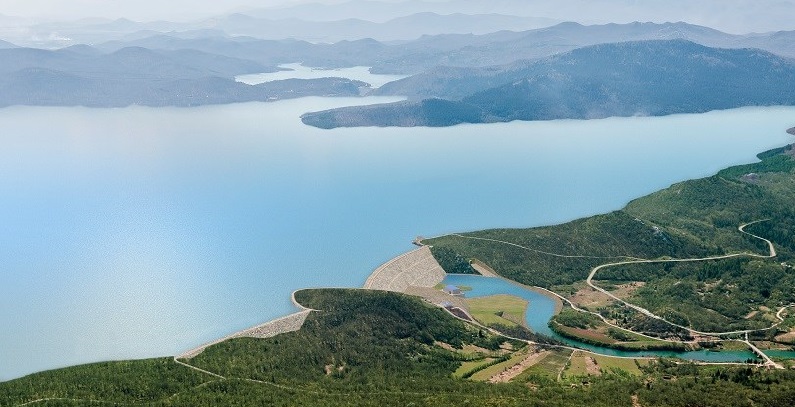
Photo: HEP


Croatia’s power utility Hrvatska Elektroprivreda has started works on hydroelectric system Kosinj and hydropower plant Senj 2, with a total capacity of 412 MW. The investments are estimated at EUR 450 million.
Two megaprojects, as local media call the endeavor, should provide green electricity, mostly peak demand energy, but also prevent floods caused by the rivers Lika and Gacka, supply water for cities from Senj to Karlobag and the islands of Rab and Pag, and boost irrigation in Lipovo polje.
Most of the electricity will be very valuable peak electricity
After the completion of the two projects in six years, Croatia will get a hydropower system with a capacity of 650 MW, which is more than the the largest Croatian hydropower plant – HPP Zakučac. The new facilities will generate 132 GWh of electricity annually, most of which will be peak electricity.
HEP is building the Kosinj hydropower system and HPP Senj 2
This year HEP initiated the implementation of the second phase of hydropower system Senj, which consists of the construction of hydropower system Kosinj (HES Kosinj) and HPP Senj 2, with a total capacity of 412 MW, according to Večernji list.
Due to the creation of a water reservoir, several hundred people from the villages in the Kosinj valley will need to be moved. In order to secure homes, HEP has started the construction of a residential building in the town of Perušić.
The idea behind the two projects is to use the remaining hydro potential in the Lika and Gacka river basins. The existing hydropower system Senj (HES Senj) consists of the Sklope dam on the river Lika with reservoir Kruščica, HPP Sklope with an installed capacity of 22.5 MW, reservoir Gusić field, supply tunnel Gusić field – Hrmotine, and HPP Senj with a capacity of 216 MW.
Total production will be 132 GWh per year
Today, HES Senj has an average annual production of about 100 GWh, which is about 20% of electricity production in HEP’s hydropower plants, about 10% of HEP’s total production or 5% of total electricity consumption in Croatia.
The units in the second phase – HES Kosinj and HPP Senj 2, will provide an additional 32 GWh per year. The vast majority of the total production of 132 GWh will be very valuable peak electricity.
By the end of the year, HEP will spend around EUR 53 million on the two projects. Croatia expects that the investment will boost economic growth and lower unemployment.

Be the first one to comment on this article.