








There hasn’t been a very large impact and a high rate of occupancy of agricultural land by photovoltaics, according to Zoltán Nagy-Bege from the Regulatory Authority for Energy (ANRE), who insisted this was his personal opinion, Nine o’Clock.ro reported.
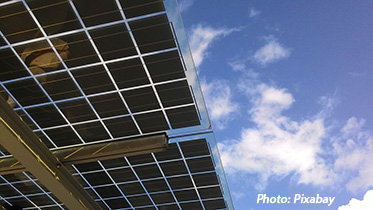
„For the time being, we have a little over 1,200 MW installed in photovoltaics, which means 2,500 to 3,000 hectares at most. But strictly from a technical point of view, it is not normal to build photovoltaic farms somewhere away from cities, on agricultural land, away from consumption areas, because through transmission we register losses in the grid, losses for which certificates are offered,” he stated on November 17 at the eighth edition of the energy and efficiency fair Renexpo South-East Europe. Solar farms that were built on agricultural land or unused arable land by the end of 2013 can still benefit from aid schemes, according to law, Nagy-Bege said. However, those that were built on arable land in use on December 31, 2013 can no longer benefit from green certificates.
As a delayed effect, several solar farms still received licensing for production and certification for the aid scheme in 2014, but since the start of this year, the number of these ANRE-authorized solar farms has dropped drastically, he underscored.
Nagy-Bege added that solar farms are still being built on agricultural land only because there still have been licensing requests for solar farms built on unused arable land in 2015, in which cases licensing for production was offered, but certification for the aid scheme was not.