





Photo: Pixabay


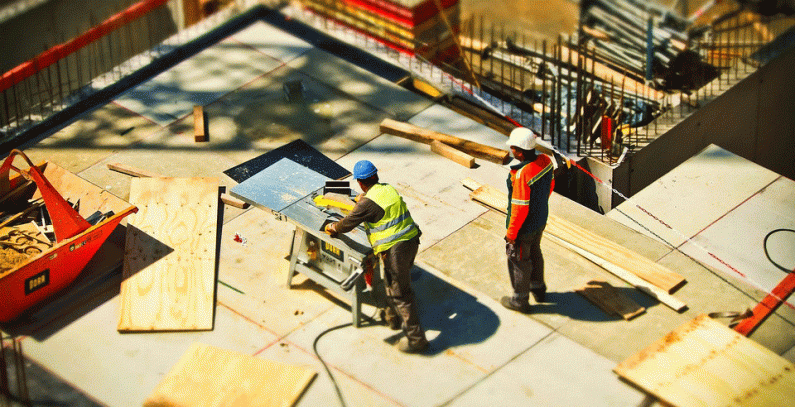
The World Bank (WB) has provided EUR 40 million loan to Serbia for energy efficiency measures in 234 public buildings. The loan is a part of USD 119 million (EUR 100 million) Enhancing Infrastructure Efficiency and Sustainability Program, recently approved by the WB. The rest of the money (EUR 60 million) will be spent on road maintenance.
The energy component of the approved Program represents support for the Serbian government’s Program for Reconstruction and Improvement of State-Owned Public Facilities, WB said in a statement.
The expenditures for 234 buildings are estimated to be around EUR 81.1 million, which includes EUR 71.8 million of these expenditures relate to the reconstruction works and the remaining EUR 9.3 million is estimated to cover the costs of technical services, such as energy audits, technical designs, construction supervision and building certifications.
The base case scenario of the economic analysis for the Government`s Program resulted in a EUR 5.1 million economic net present value (NPV) and economic internal rate of return (EIRR) of 7.9 percent.
The Program would be financed through a mix of budget support to Public Investment Management Office (PIMO), municipal budgets, staffing and the World Bank PforR loan. For the three-year Program period (2017-19), PIMO received about EUR 7 million in 2017 and the budget funding for 2018-19 has been confirmed in a letter from the Ministry of Finance to the WB.
“Therefore, the funding for the 234 buildings is reasonably secure and predictable,”, WB said in a report on the proposed loan.
About 30 buildings have been already under construction or completed, 50 are in the works tendering phase and for the rest design is being finalized.
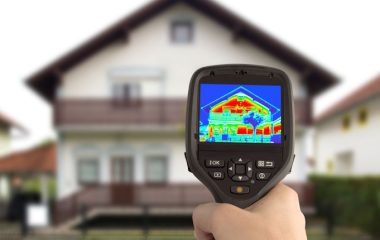
The renovated buildings – which include hospitals, clinics, schools and kindergartens, and other social facilities – will have lower energy bills, improved building conditions (such as better lighting and heating), extended operational lifetimes, and enhanced safety (e.g. structural improvements and fire protection).
Works covered under the program include improvements of the building envelope (roof, windows, doors and wall insulation), internal equipment (lightening, fuel switching, such as coal/oil to pellets/wood chips, solar hot water heaters) as well as some non-EE measures (structural reinforcement, sanitary repairs, rewiring, painting). According to PIMO estimates, 70-80 percent of the works to be undertaken can be categorized as energy efficiency improvement measures.
“Serbia is at the crossroads of South East Europe and improving its road network is expected to be a major contributor to continued economic growth, not only in Serbia but also in the region,” said Stephen Ndegwa, World Bank Country Manager for Serbia. “This operation will improve energy efficiency and safety in renovated public buildings.”
50% of the building stock is over 50 years old
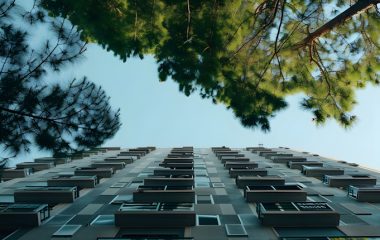
The building sector (residential, public and commercial) dominates energy consumption, representing 45 percent of final energy use and about half of the building stock in the country is over 50 years old.
Although energy consumption in public buildings represents only about 4 percent of the total consumption, according to the World Bank report, energy savings and corresponding GHG reductions in this sector can have a catalytic effect by developing the market and leading by example, to help meet national strategies and targets.

Be the first one to comment on this article.