







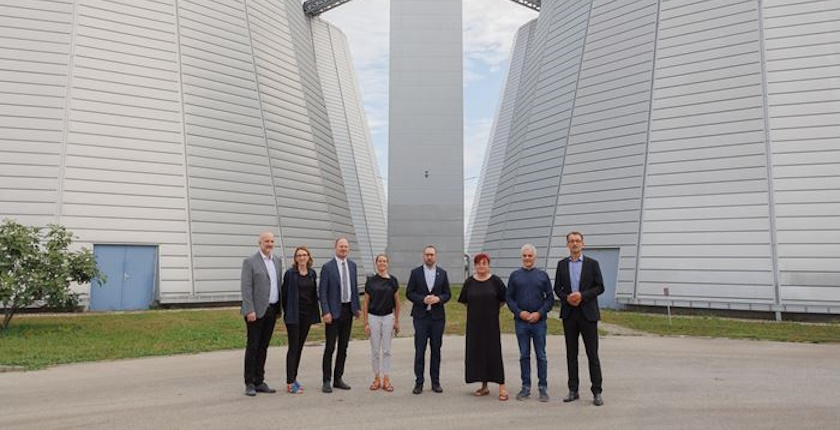
Photo: City of Zagreb


The Zagreb public utility Vodoopskrba i Odvodnja (ViO) has taken over the management of the city’s central wastewater treatment plant after private concessionaire Zagrebačke Otpadne Vode or ZOV managed it for 24 years.
The owners of ZOV are two firms registered in Germany – Wassertechnik, a subsidiary of Austria-based EVN, and Westenergie Aqua, owned by E.ON.
The concession contract was signed in 2000, for 28 years. Among the reasons for ending it, city authorities highlighted their intention to build a waste management center and a new wastewater treatment facility.
With the concession terminated, the City of Zagreb said is taking over the strategically most important land, of one million square meters. The move enables the capital to build a waste management center without delay.
Zagreb intends to apply for EU funds for the new wastewater treatment facility
Mayor Tomislav Tomašević said.the plan is to complete the facility by 2028, adding that it would enable the closing of the main landfill, in Jakuševec.
Managing it has been a major issue for years. A worker at Jakuševec was seriously injured in December when a part of the landfill collapsed.
The city said it is taking over the wastewater treatment plant together with its employees, adding it makes it easier to conduct the process for the construction of an up-to-date facility and apply for European Union co-financing.
The new law doesn’t allow private firms to provide wastewater treatment services
The investment is estimated at EUR 94 million, while EU co-financing is possible only if the plant is managed by a public firm, instead of a private company, the municipal authority pointed out.
Zagreb is the only city in Croatia where a private firm manages a wastewater treatment facility. The new Law on Water Services no longer allows such a model.
The two sides haven’t agreed on a payment for the termination of the concession
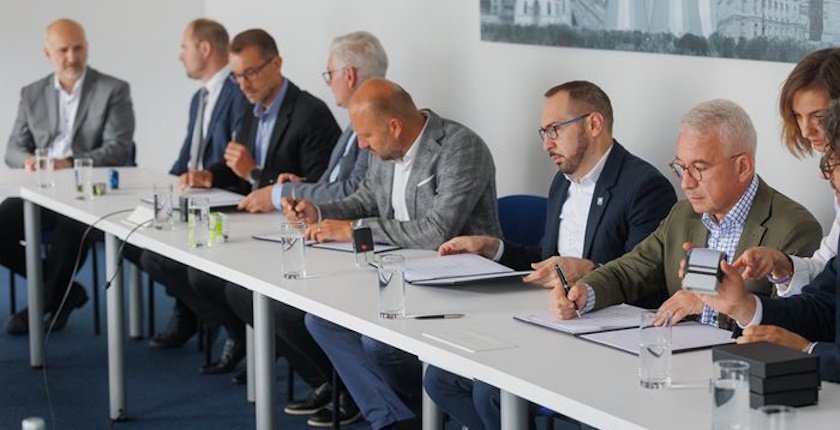
Tomašević claimed that, according to an analysis, the city would save money. The cost of ending the concession is expected to be lower than waiting until 2028 for the contract to expire, he added.
The mayor and ViO CEO Marko Blažević have signed agreements with ZOV’s representatives on transferring the assets and employees. The city said 93% of the workers decided to switch to the city-owned firm.
The deal comes after six months of negotiations with the concessionaire. However, a concession termination payment remains to be agreed.
If two sides cannot reach an agreement, arbitration will follow.




Be the first one to comment on this article.