


Thermal power plant Ugljevik has halted electricity production for the second time in three weeks. To make matters worse, around 200,000 people have been left without power due to failures in as many as three transmission lines, adding to the tens of thousands who have been blacked out for the past several days.
Electricity production at Ugljevik, part of state-owned power utility Elektroprivreda Republike Srpske (ERS), was suspended on Monday, Radio Free Europe reported. The thermal power plant suspended operations due to a shortage of coal.
Boban Benović, a union chairman at coal mining and power plant complex Ugljevik (RiTE Ugljevik), told Capital that the mine has also been shut down, due to bad weather.
Benović: If the weather improves, the power plant will be back online in a few days
He expects the mine to start working again very soon. If the weather improves, the thermal power plant could be operational in five or six days, according to Benović.
The suspension of operations comes just days after Petar Đokić, the Republic of Srpska Minister of Mining and Energy, stated that the situation at Ugljevik and the Gacko thermal power plant was difficult.
Ensuring the stable operation of the Gacko and Ugljevik coal mines and thermal power plants requires an investment of EUR 350 million, but that amount of money is not available, according to Đokić.
The Ugljevik power plant was shut down for ten days at the beginning of December due to a coal shortage.
Three power lines out of service
Yesterday morning, power went out in Bijeljina, Ugljevik, Lopare, Brčko, Doboj, Teslić, Petrovo, Stanari, Maglaj, Zavidovići, and Tešanj. According to some estimates, more than 200,000 people are without electricity.
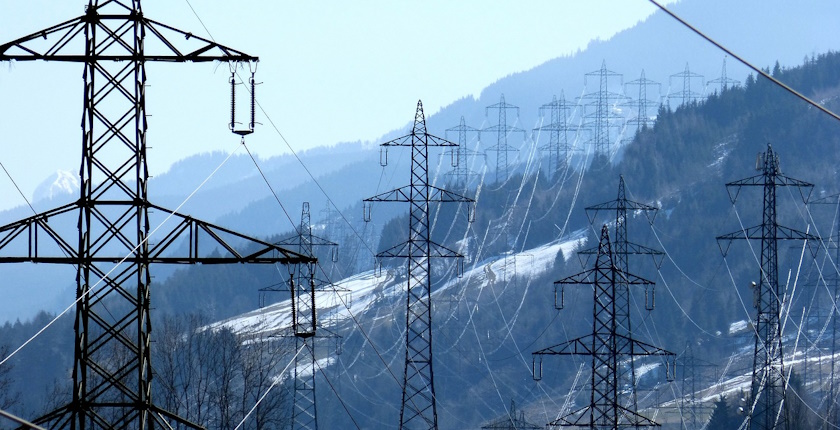
Cvjetko Žepinić, executive director for operation and maintenance at transmission system operator Elektroprenos BiH, said that three transmission lines were out of service – between Bijeljina and Brčko, between Bijeljina and Ugljevik, and the interconnection to Serbia between Valjevo and Šabac, according to Glas Srpske.
Žepinić pointed out that the main problem is extremely heavy snow, which caused wires to break and, in some places, even damaged the tops of the transmission poles.
Some households have been without electricity for several days. Power distribution utility Elektrokrajina announced this morning that 50,000 households did not have electricity.