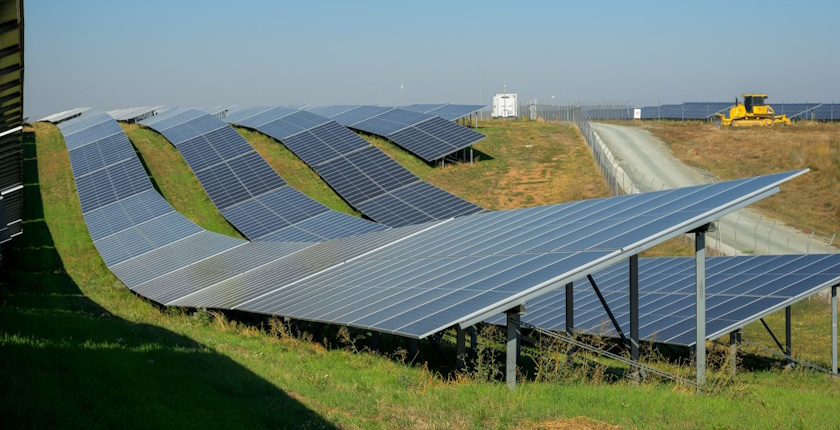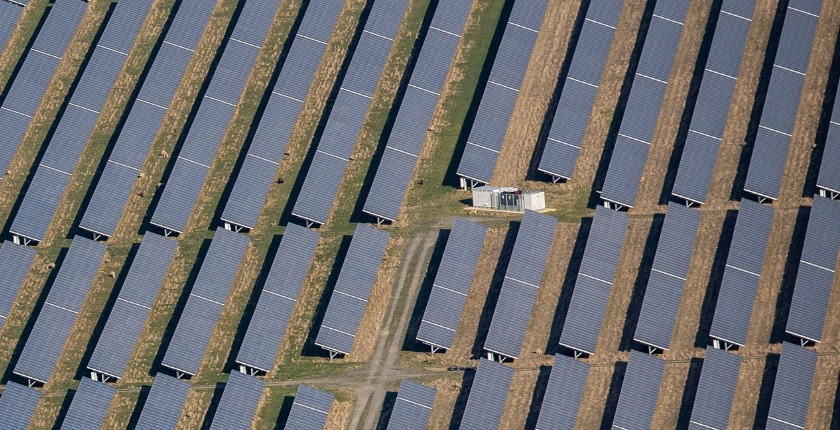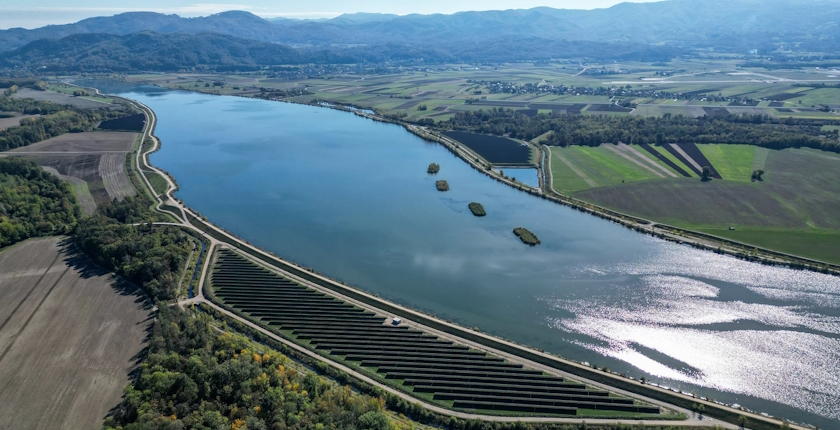


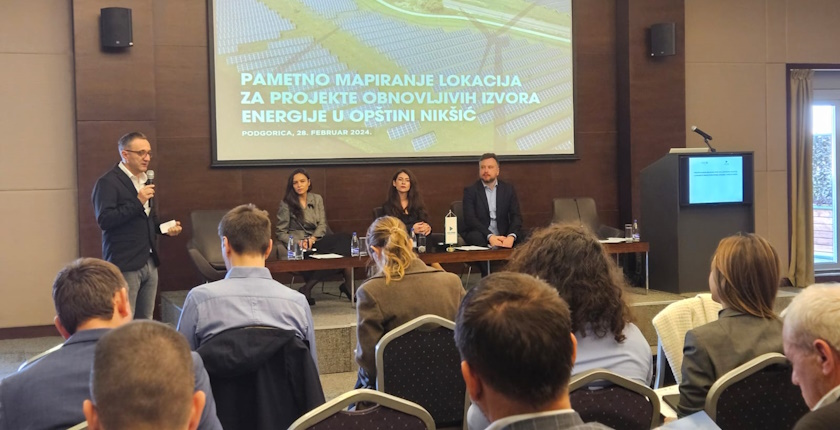
Results of the study Mapping the Potential of Solar and Wind Energy in the Municipality of Nikšić show that renewable energy sources in optimal locations around Montenegro’s second-largest city could generate enough electricity for all households in the country. Organizations Eco-Team and The Nature Conservancy led the project in collaboration with the local authority.
Montenegro has committed to increasing the share of renewable energy sources in its gross energy consumption to 50% by 2030 and gradually phasing out coal use.
Producing energy from renewable sources requires a lot of land. If the space for such projects is not carefully selected, it can cause conflicts and harm nature, contribute to biodiversity crises, or jeopardize the cultural and social values of an area.
Vejnović: Nikšić has real potential for low-conflict renewable energy projects
To avoid potential conflicts, The Nature Conservancy has developed an approach called smart siting. It involves finding locations for wind and solar projects with the least potential negative impact on nature and people.

Together with Eco-Team, the organization conducted a study called Mapping the Potential of Solar and Wind Energy in the Municipality of Nikšić, identifying four square kilometers for wind farms and 50 square kilometers for solar power plants.
“The result of this pilot study has confirmed that Nikšić has real potential for the development of low-conflict renewable energy sources. The study can further be used to identify new locations, both by potential investors and by spatial planning authorities, which is why we have made it publicly available,” said Igor Vejnović from The Nature Conservancy.

Wind and solar would cover the electricity consumption of all 217,000 households
The potential capacity is around 40 MW of wind energy and as much as 2.7 GW of solar. Even with just a third of the possible photovoltaic capacity, a total of 1.4 TWh of electricity could be generated from the two sources, the authors emphasized. For comparison, it is just below the record output of the coal-fired Pljevlja thermal power plant, from 2020, which then accounted for half of the electricity production in Montenegro, the study reads.
It would also cover the total 2022 residential sector consumption in the country, which amounted to 1.38 TWh, the document reveals. It consists of nearly 400,000 housing units and 217,000 households, according to data from the recent census, conducted by the Statistical Office of Montenegro – Monstat.
“Nikšić, the largest municipality territorially, was the subject of our study, through which we aim to help Montenegro keep pace with countries of the European Union, which are, within the REPowerEU plan, required to designate so-called go-to areas for accelerated development of renewable energy sources,” said Diana Milev Čavor from Eco-Team.
During the study, over 40 independent experts and individuals from various groups were consulted, including local communities and municipal and government institutions.