


Two local power companies in Bosnia-Herzegovina have invited offers for protected cables, substations and smartmeters. The power companies Elektro Bijeljina and ZP Elektrokrajina a.d. Banja Luka, both in the Republika Srpska (RS) will receive loans from the European Bank for Reconstruction and Development to finance their projects.
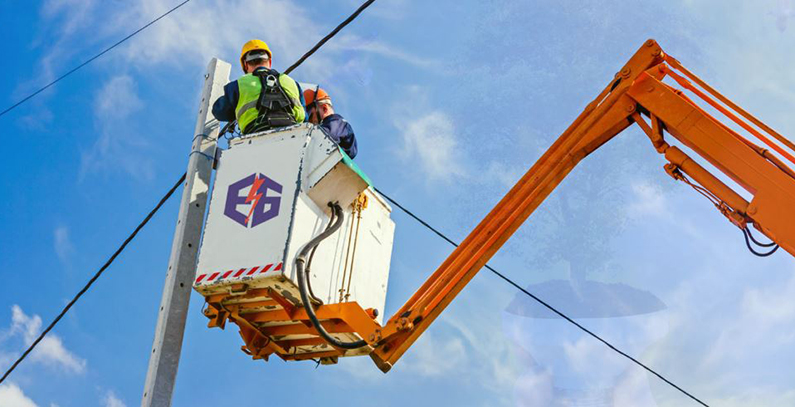
Both of the loans will be used to finance the reconstruction of medium-voltage and low-voltage power cable networks and substations and to expand smart metering in the areas covered by Elektro Bijeljina and Elektrokrajina Banja Luka.
Elektro Bijeljina and Elektrokrajina Banja Luka will receive loans of EUR 15 million for the reconstruction work and efforts to expand the smart metering network in the municipalities they cover in the east and in the northwest of the Republika Srpska.
The loan to the Elektro Bijeljina power company will come in part directly from the European Bank for Reconstruction and Development and partly from a special fund established and administrated by the EBRD with the contribution of the Taiwanese International Cooperation and Development Fund (TaiwanICDF) in support of investments in efficient energy technologies. The exact amount of that second part of the loan will depend on the level of reduction of carbon emissions but is limited to 50 percent of the total loan.
The loan to Elektrokrajina Banja Luka will come directly and in full from the EBRD.
Both the Elektro Bijeljina and Elektrokrajina Banja Luka local power companies launched the projects in an effort to reduce losses, improve the quality of their supply and secure easier access to the national grid for small hydro and other renewable source power plants.
Elektrokrajina Banja Luka is planning to reduce its overall losses from more than 15 percent currently to between 10 and 12 percent, which would bring it in line with the limits set by the Republika Srpska Regulatory Commission for Energy.