






Photo: Frimufilms on Freepik


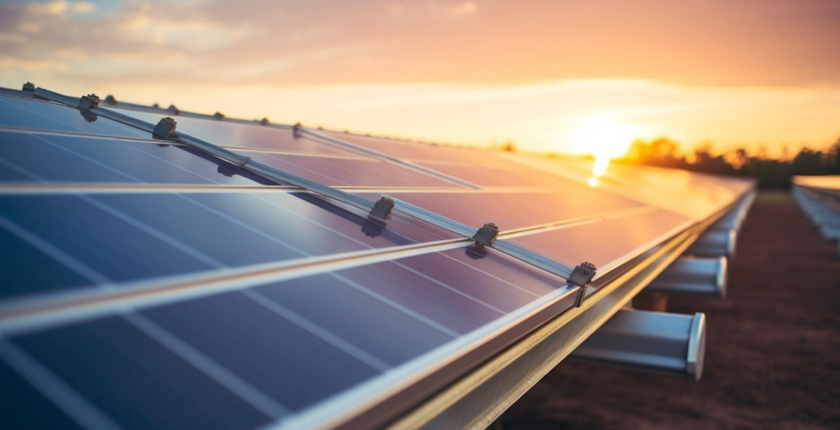
Turkish company Fides Elektrik Enerjisi was selected for a public-private partnership in North Macedonia. It would build two solar power plants with a combined capacity of almost 8 MW in the technological-industrial development zones in Strumica and Struga.
North Macedonia’s Directorate for Technological-Industrial Development Zones (TIDZ or, in Macedonian, TIRZ), which launched a public call in late November for public-private partnerships, announced the first winner. Turkish company Fides Elektrik Enerjisi will build two photovoltaic facilities with nearly 8 MW in total capacity in TIDZ Strumica and TIDZ Struga, the institution said.
The call was published in line with the Law on Public Procurement and the conditions were the same for domestic and foreign firms. TIDZ said it received only one other offer, from an Israeli-Chinese consortium.
Fides Elektrik Enerjisi agreed to pay 10% of its revenues from electricity production into the state budget. The contract is for 25 years. After that, the private partner is obligated to cede the solar power plants, at 80% of the original production capacity, to the government.
The private partner must pay 10% of the income to the government
The company needs to pay 65 euro cents per square meter per year for the lease of the state land. TIDZ said the mechanism is aimed at contributing to North Macedonia’s energy generation capacity and accelerating the transition into an economy based on green energy.
Most foreign companies that work in the country or are interested in investing request or prioritize renewable energy supply, according to the directorate.
The next call for a public-private partnership for solar power plants will be kicked off by the end of the month, TIDZ revealed. It will cover more than 40 hectares of land in total in the zones in Skopje, Štip and Prilep, it said.
The institution noted that the locations aren’t suitable for other industrial activities. The lots are on the edges of the zones and they haven’t been used for more than 15 years.
Of note, North Macedonia–based PiKCELL Group said in September 2022 that it would build a solar power panel factory in TIDZ Tetovo with German company AE Solar.
Earlier this year, the government in Skopje adopted the country’s first four on strategic partnership bills in the energy sector, for investments in big photovoltaic plants and gas-fired facilities.

Be the first one to comment on this article.