


PPC and Archirodon, the consortium selected for the Čebren pumped storage hydropower project in North Macedonia, hasn’t yet accepted all the conditions for the establishment of a public-private partnership, Minister of Economy Kreshnik Bekteshi said. He also denied again that the government intends to sell MEPSO to Greece’s IPTO.
Almost two months after the consortium of Public Power Corp. (PPC) and Archirodon was selected as the partner for the construction and operation of the Čebren hydropower system, the contract isn’t signed yet. Moreover, it’s been 14 months since the government acknowledged that the Greek companies submitted the only valid bid.
Consortium is negotiating with Ministry of Environment, Spatial Planning
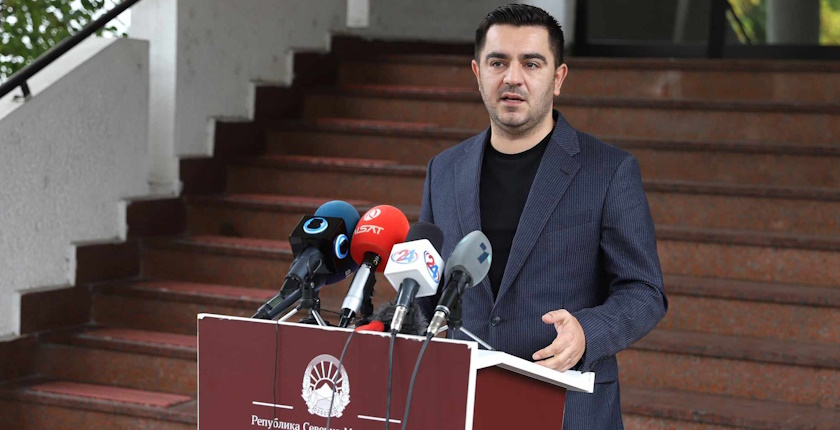
The Čebren project has been discussed for decades and there were several unsuccessful attempts to materialize it, Minister of Economy of North Macedonia Kreshnik Bekteshi said. But for the first time, there is a serious bidder and it accepted the condition that state-owned power producer Elektrani na Severna Makedonija (ESM) needs to have a share in ownership, he told Sitel TV.
However, there are additional conditions in the tender documentation that the investor must accept to get the contract, the minister revealed. The government will have priority for a part of electricity sales and other technical matters, which will be announced transparently, Bekteshi stressed.
State-owned power utility ESM is envisaged to own 33% of the Čebren joint venture
The deal will be signed if the bidders accept the conditions from the tender documentation that they allegedly disputed, he said, as reported by state news agency MIA. Bekteshi added that the Ministry of Environment and Spatial Planning is discussing the matter with the consortium.
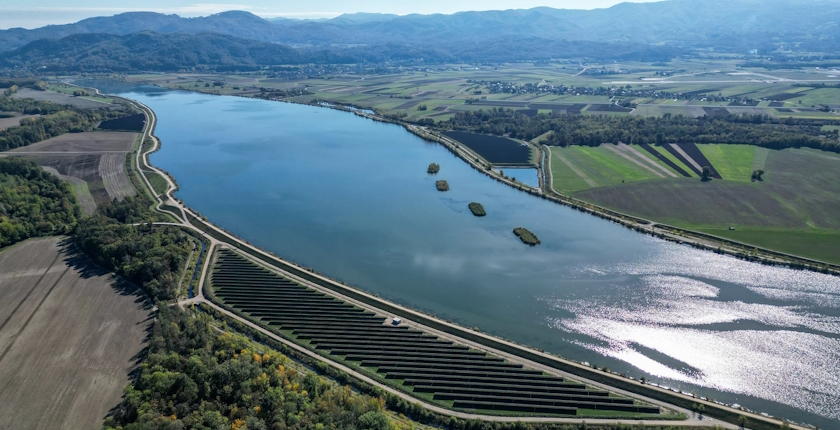
ESM is set to own 33% of the joint venture that would build and operate pumped storage hydropower plant Čebren, envisaged with 333 MW in capacity. In addition, it is set to run the existing Tikveš hydropower plant (116 MW).
MEPSO needs to remain fully owned by governmenet
The minister repeated that the government didn’t receive any offer from Greece’s Independent Power Transmission Operator (IPTO or Admie) for MEPSO, North Macedonia’s transmission system operator. It is a strategic company that can partly affect the country’s security, according to Bekteshi.
As a matter of fact, MEPSO needs to remain under government control, he underscored. It is not in its interest to privatize the company or any part of it, Bekteshi said.