

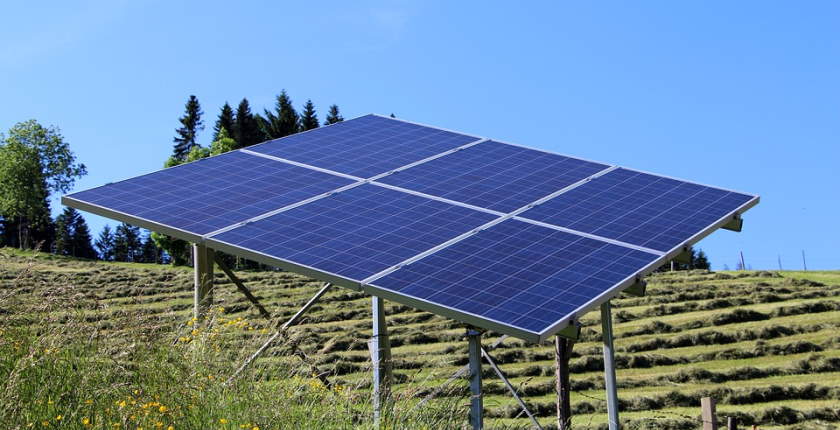
Kosovo’s* feed-in tariff scheme for the support of the solar photovoltaic plants with total installed capacity of 20 MW is illegal and not in line with the EU Guidelines on State Aid for Environmental Protection and Energy 2014-2020, the competition watchdog said and blocked the payment of incentives.
Kosovo’s* State Aid Commission (SAC) said on Facebook that it has found that the scheme approved by the Energy Regulatory Office (ERO) is illegal.
The administratively set feed-in-tariff scheme was adopted without notifying the commission, which must authorize it in line with the rules from the Law on State Aid.
The move is a milestone for national state aid authorities, not only in Kosovo* but the entire region
The Energy Community Secretariat has welcomed the SAC’s decision concerning state aid, its first for the energy sector.
It is an important milestone for the national state aid authorities taking responsibility for assessing renewables support schemes, not only for Kosovo* but for the entire region, the secretariat said.
Feed-in tariffs to be replaced with feed-in premiums
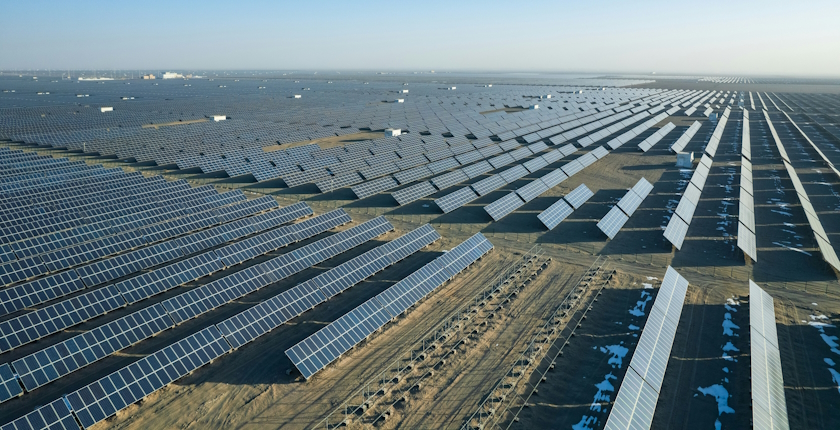
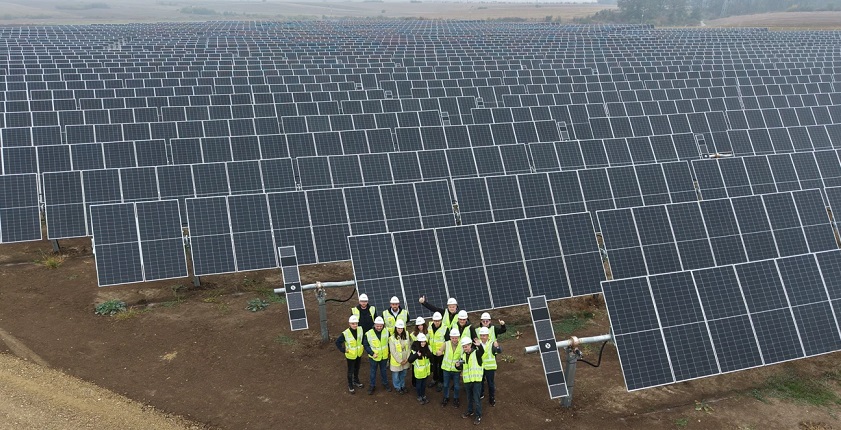
The commission has reviewed the support scheme that ERO approved in November 2019 to award incentives to solar power plants with an installed capacity of 20 MW. The feed-in tariff for producers that were selected on a first-come, first-served basis was set at EUR 85.5 per MWh for a period of 12 years. The facilities eligible to get the support are PV systems with installed capacity lower than 3 MW.
According to the announcement, the commission has started the procedure after media reports that indicated the incentives were illegal.
Feed-in tariffs were awarded on the first-come, first-served basis
The State Aid Commission has obliged the Energy Regulatory Office to halt payments from the support scheme.
It also told ERO to initiate a review of the legal framework in order to align it with European Union rules on state aid for renewable energy.
The goal should be to introduce market-based mechanisms for allocating incentives, and to replace feed-in tariffs with feed-in premiums, according to the announcement by the State Aid Commission.