


Although the miners from the Kreka brown coal mine stopped their strike after an agreement with Elektroprivreda Bosne i Hercegovine (EPBiH), the state-owned power utility warned its coal mines are in a very difficult situation. They ended last year with a combined loss of EUR 40 million and total debt of EUR 470 million, so bankruptcy looms if the reorganization plan is not implemented.
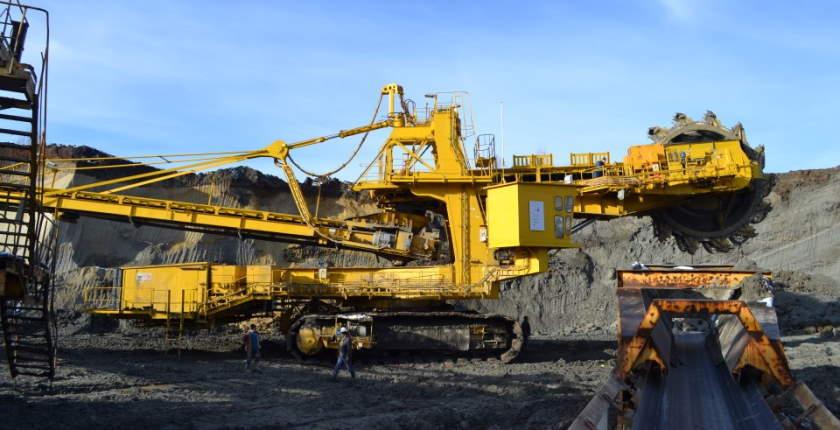
The Kreka brown coal mine, officially RMU Kreka, produces coal for EPBiH’s power plants. It is located in the north of Bosnia and Herzegovina. Employees took strike action to demand from the company to pay their salaries for February, reveal the investment plan for 2021 to and give full-time contracts to 52 temporary workers.
EPBiH has met all the demands of the miners
More than 2,000 miners ended the strike on Friday, March 26, after EPBiH met all their demands, said Zuhdija Tokić, president of the trade union of Kreka, Radio Free Europe reported.
The miners complain of inhumane conditions, that their salaries are very often late and investments are insufficient. They also demand mine production to be modernized.
RMU Kreka is one of seven mines, along with Zenica, Breza, Đurđevik, Kakanj, Abid Lolić and Gračanica, that operate within the enterprise.
EPBiH: Reorganization or bankruptcy
EPBiH announced that, as the governing entity of the EPBiH concern, it regularly fulfills all obligations towards the mines.
The reasons salaries are not regular should be sought in the fact that the mines do not meet the production and revenue plans, it added.
The mines’ combined debt at the end of 2020 reached EUR 470 million, and the annual loss was EUR 40 million
According to preliminary data as of the end of 2020, total liabilities of the mines amount to EUR 470 million, including almost EUR 252 million owed to state institutions.
Last year the mines ended with a total loss of EUR 40 million, according to EPBiH.
Reorganization faces great resistance
The reorganization of the mines was initiated to make them economically sustainable, but the process ran into resistance from mines that organize strikes.
If the overhaul is not successful, the only option is bankruptcy, EPBiH said.
Despite more than EUR 255 million in investments in the mines, they haven’t reached viability.
The process must be comprehensive and include the reorganization and optimization of the workforce and production capacities, which will result in economic sustainability, according to EPBiH.